Thoroughbred racing, horse value, and Seabiscuit
Thoroughbred horse racing is racing with a horse breed developed for horse racing. What can its history and Seabiscuit's rise reveal about breeding, racing, and the people and horses involved? By the end, you'll understand how breeding traditions, physical traits, economic value, and a well-matched horse-and-rider partnership shape the sport.
2 articles, 1 book
The reading path
- ReadThoroughbred horse racing · Wikipedia
Diomed, who won the Derby Stakes in 1780, had a significant impact on American Thoroughbred breeding, mainly through his son Sir Archy; racing historian John F. Wall said Sir Archy was the "first outstanding stallion we can claim as native American." After the American Revolution, Thoroughbred breeding and racing in the United States moved west, with Kentucky and Tennessee becoming significant centers. The Green Monkey set the auction record at $16,000,000 in 2006, but injuries limited him to three career starts, and he never won a race. Record prices often grab headlines, yet a Thoroughbred's value may also reflect purse money: in 2007, racehorses earned $1,217,854,602 in all placings. Thoroughbreds are often bred as sprinters or distance runners, and their build usually reflects that: sprinters are usually well muscled, while distance runners tend to be smaller and slimmer. Yet the best racehorses are generally of average size; larger horses mature more slowly and face more stress on their legs and feet, while some consider smaller horses disadvantaged by shorter strides and bumping.
- ReadJockey Red Pollard's Perseverance Helped Form a Lasting Bond with Seabiscuit · americasbestracing.net
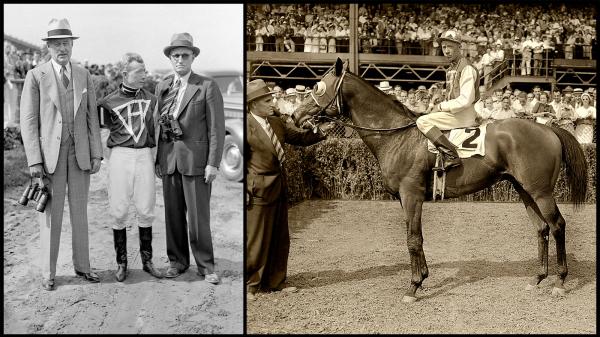
Pollard's patience and insight with ailing, anxious horses made him a fitting partner for Seabiscuit, whose spirit trainer Tom Smith was rehabilitating when they met in August 1936. Smith put Pollard on the horse and recognized the bookish rider was the right fit; Pollard rode Seabiscuit 30 times, winning 18 starts, including the 1940 Santa Anita Handicap.
- BookSeabiscuit: An American Legend · Bookshop.org
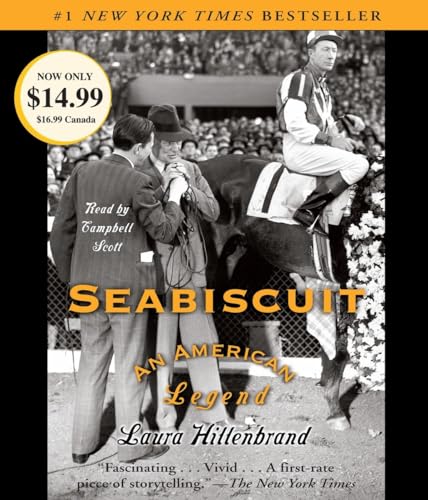
Seabiscuit by Laura Hillenbrand describes how Tom Smith urged Charles Howard to buy the crooked-legged racehorse and hired Red Pollard as his jockey, despite Pollard being blind in one eye and half-crippled. Their story shows how a trainer, owner, and jockey shaped a racehorse's fortunes.

Book links are Bookshop.org affiliate links. Curiate may earn a commission on purchases, at no extra cost to you — Bookshop.org also gives a share to independent bookshops.
Reading paths, built to arrive somewhere
Curiate turns what you are curious about into a short path — a quick lesson on an article, something to watch, and a book to go deep on. Free to browse.