Sports performance enhancement, doping, and athletic potential
Sports performance enhancement in competitive sports means athletes use banned drugs to cheat, a practice considered unethical and prohibited by most international sports organizations, including the International Olympic Committee. In 2003, Wade Exum gave Sports Illustrated documents about athletes who failed drug tests, and the lessons help readers understand the pressures and considerations surrounding performance enhancement.
2 articles, 1 book
The reading path
- Readsports performance enhancement · Wikipedia
Anabolic steroids are the most common prohibited substances for doping in sport and increase muscle mass and physical strength; stimulants are second most common and decrease the sensation of fatigue. In competitive sports, using banned performance-enhancing drugs is considered cheating, and the use of drugs to enhance performance is considered unethical and prohibited by most international sports organizations. In an online bodybuilding community, some bodybuilders doped because they felt it was a rite of passage to be accepted and validated. Social pressure also encourages performance-enhancing drug use to achieve muscular or thin figures, while the assumption that opponents use them can make doping seem acceptable; the "winning is everything" spirit leads many athletes to risk doping and hope they will not be caught.
- BookThe Sports Gene: Inside the Science of Extraordinary Athletic Performance · Bookshop.org
Variants of the ACE gene, which regulates blood pressure, have been associated with athletes' endurance potential. But athletic performance is polygenic and also depends on environmental factors, so genetic markers alone are not a sound basis for enhancement: the review says effective training and disciplined lifestyle habits are likely to support personalized athlete management more than strategies based solely on molecular data.
- ReadPerspectives in Sports Genomics - PMC · pmc.ncbi.nlm.nih.gov
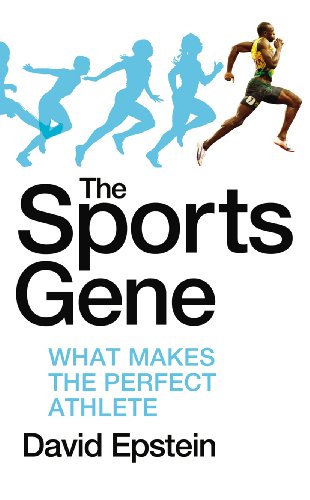
The Sports Gene by David Epstein argues that rigorous practice from a young age is not the only route to success, exposing flaws in the so-called 10,000-hour rule.
Book links are Bookshop.org affiliate links. Curiate may earn a commission on purchases, at no extra cost to you — Bookshop.org also gives a share to independent bookshops.
Reading paths, built to arrive somewhere
Curiate turns what you are curious about into a short path — a quick lesson on an article, something to watch, and a book to go deep on. Free to browse.