How Los Angeles revived the Olympics
The 1984 Summer Olympics, officially the Games of the XXIII Olympiad and commonly known as Los Angeles 1984, were an international multi-sport event held from July 28 to August 12, 1984, in Los Angeles, California, United States. They are widely considered to be the most financially successful modern Olympics.
2 articles, 1 book · about 44 min of reading and viewing
The reading path
- Readthe story of the 1984 los angeles olympics · Wikipedia · 32 min read
The 1984 Los Angeles Olympics avoided the substantial debts that burdened organizers of Montreal 1976 and Moscow 1980, where expenses greatly exceeded revenues. Unlike Montreal and Moscow, Los Angeles 1984 was privately funded, with strict controls on expenditure and existing venues used wherever possible. For the 1984 Los Angeles Olympics, LAOOC had to prepare for twenty-six competition venues. Twenty of the competition venues were existing, three were new: the Olympic Velodrome on the California State University, Dominguez Hills campus, Prado Park for shooting and the Olympic Swim Stadium on the University of Southern California campus. The marketing team rounded up 64 suppliers, and 65 licensees for the 1984 Los Angeles Olympics. Official licensees handed over 10% in royalties on sales, while official suppliers provided the materials needed to run the games.
- Read"How the Gleeful Aesthetic of L.A.'s 1984 Olympics Unified a Sprawling City" · pbssocal.org · 12 min read
Coca-Cola was the Games' official drink and FujiFilm was the "Official Film"; six cities submitted bids for the 1992 Games, compared with two for 1988, reflecting the success of the '84 Olympics.
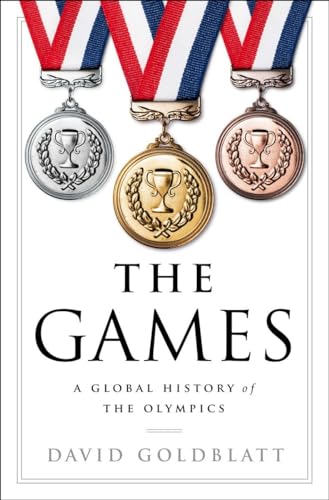
- BookThe Games: A Global History of the Olympics · Bookshop.org
The Games by David Goldblatt describes the reinvention and modern history of the Olympic Games, highlighting classic moments and examining how women fought for equal inclusion, how the Paralympics emerged, and how the Olympics reflect changing attitudes to race and ethnicity.


Book links are Bookshop.org affiliate links. Curiate may earn a commission on purchases, at no extra cost to you — Bookshop.org also gives a share to independent bookshops.
Reading paths, built to arrive somewhere
Curiate turns what you are curious about into a short path — a quick lesson on an article, something to watch, and a book to go deep on. Free to browse.