Youth activism and the effects of the Chicano Movement in Los Angeles
The effects of the Chicano Movement in Los Angeles include the decline of the movement by the mid-1970s, after political demonstrations such as the Chicano Moratorium became sites of police brutality.
2 articles, 1 book · about 45 min of reading and viewing
The reading path
- Readthe effects of the chicano movement in los angeles · Wikipedia · 43 min read
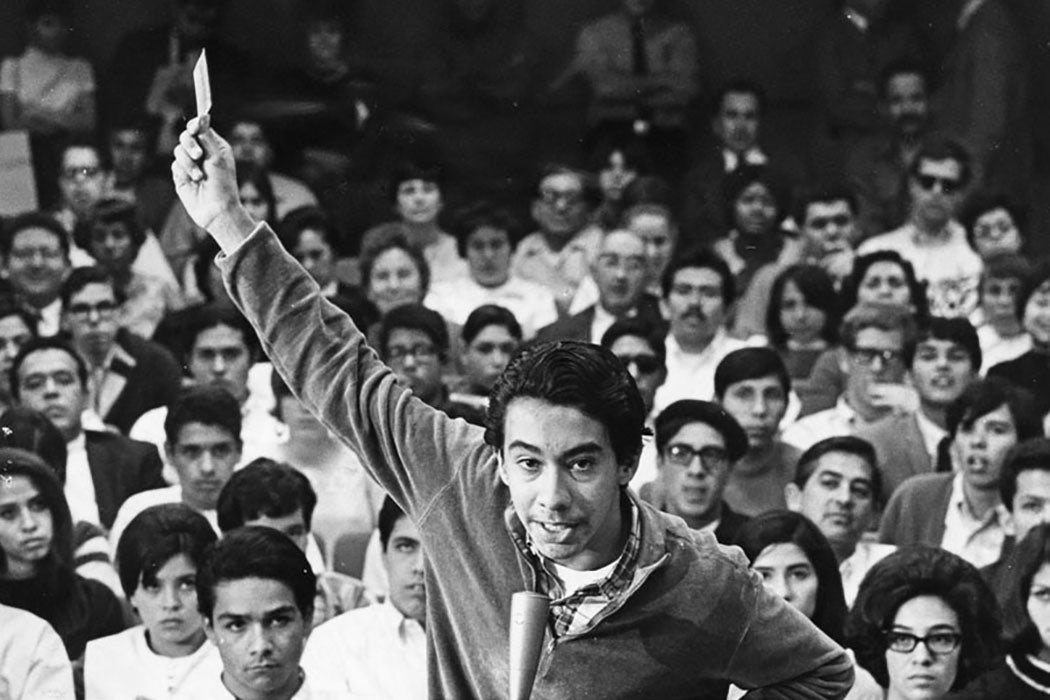
In March 1968, thousands of Mexican American high school students in East Los Angeles staged coordinated walkouts, protesting overcrowded classrooms, outdated textbooks, a lack of college preparatory courses, and the exclusion of Mexican American history from the curriculum. The National Chicano Moratorium on August 29, 1970 drew over 20,000 people to march through East Los Angeles, in one of the largest anti-war demonstrations organized by Mexican Americans in the United States. Escobar presents the protest and Salazar's death as inspiring political consciousness among a broader base of Mexican-Americans, with many considering Salazar a "martyr". Student organizations' effects in the Chicano movement included the formation of Movimiento Estudiantil Chicano de Aztlán (MECHA) at a historic meeting at the University of California, Santa Barbara in April 1969. Student groups initially focused on education issues, then expanded to political campaigns and protests against police brutality and the U.S. war in Southeast Asia.
- ReadThe Activist Students of 1960s East Los Angeles - JSTOR Daily · JSTOR Daily · 2 min read
Starting on March 1st, 1968, more than 10,000 students in mostly Chicano schools took part in the East Los Angeles School Blowouts. Education scholar Dolores Delgada Bernal used oral histories from eight female participants to explain the protests, linking their work in the schools to a local history of political engagement.
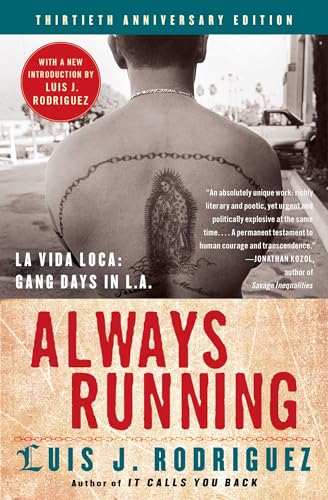
- BookAlways Running: La Vida Loca: Gang Days in L.A. · Bookshop.org
Always Running by Luis J. Rodriguez recounts his days as a street gang member in Los Angeles, specifically East Los Angeles and the city's eastern suburbs. This autobiographical account describes life in those communities from a gang member's perspective.

Book links are Bookshop.org affiliate links. Curiate may earn a commission on purchases, at no extra cost to you — Bookshop.org also gives a share to independent bookshops.
Reading paths, built to arrive somewhere
Curiate turns what you are curious about into a short path — a quick lesson on an article, something to watch, and a book to go deep on. Free to browse.