Extreme sports, environmental risk, and high-altitude climbing
Extreme sports, or action sports, are activities perceived as involving a high degree of risk of injury or death, often involving speed, height, a high level of physical exertion, and highly specialized gear. How do environmental conditions and participants' experiences shape extreme sports? By the end, readers will understand how nature, sporting spectacle, and the physical and psychological demands of climbing intersect.
2 articles, 1 book
The reading path
- Readextreme sports · Wikipedia
Extreme sports are shaped by uncontrollable environmental variables, which can affect the outcome. For climbers, rock and ice quality are examples; weather and terrain can make conditions differ even when athletes compete in a controlled event. The Dangerous Sports Club of Oxford University, England made its first modern bungee jumps on 1 April 1979, from the Clifton Suspension Bridge, Bristol, England; bungee jumping later became an established industry for thrill seekers. The club also pushed skiing into surrealist spectacle, but its plan to send a London double-decker bus down the ski slopes at St. Moritz was refused by the Swiss resort managers.
- ReadPsychological traits of extreme sport participants: a scoping review - PMC · pmc.ncbi.nlm.nih.gov
Participants enrolled in high-altitude climbing attain extreme altitudes above 8000 m and are exposed to adverse physiological and psychological conditions. In a scoping review of 39 manuscripts examining psychology traits in extreme-sport participants, the review found no unique psychological profile; risk and fear are considered natural characteristics of participation, positive aspects include organization, planning and confidence, and the quality of experience is often reported to justify participation.
- BookInto Thin Air · Bookshop.org
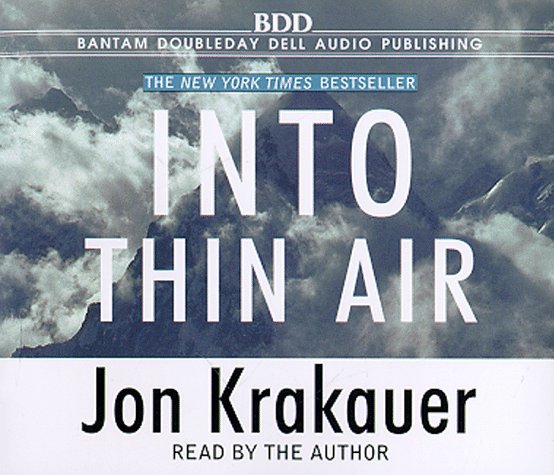
Into Thin Air by Jon Krakauer recounts his eyewitness experience reaching Mt. Everest's summit after fifty-seven hours without sleep and under the effects of oxygen depletion, and examines the myth of the world's tallest mountain.

Book links are Bookshop.org affiliate links. Curiate may earn a commission on purchases, at no extra cost to you — Bookshop.org also gives a share to independent bookshops.
Reading paths, built to arrive somewhere
Curiate turns what you are curious about into a short path — a quick lesson on an article, something to watch, and a book to go deep on. Free to browse.