Political violence, state terror, and coercion
Political violence and terrorism is violence used to achieve political goals, often through asymmetric warfare when state and non-state actors have unequal power. The lessons answer how state terror and political violence take shape and what they reveal about the use of coercion. Together, they build an understanding of violence as a means of political control and contest.
2 articles, 1 book
The reading path
- Readpolitical violence and terrorism · Wikipedia
Despite international and domestic prohibitions, torture persists as a human rights violation. The 2004 Abu Ghraib torture and prisoner abuse scandal, committed by United States Army military police personnel, shows how state actors can inflict it. Electoral violence includes coercion, intimidation, or physical harm used to influence election outcomes, disrupt polls, or protest results. Parties use it because they cannot win through fraud alone, and fraud is hidden while violence is not.
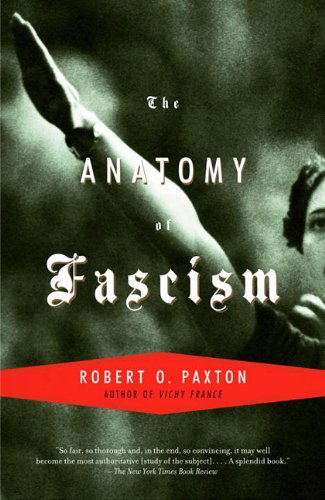
- BookThe Anatomy of Fascism · Bookshop.org
On 30 August 1793, the National Convention declared "terror to be the order of the day"; the Reign of Terror began as state repression against royalist 'traitors' but soon killed republicans too. At least 300,000 people were arrested, and some 17,000 were officially executed.
- Readi · icct.nl
The Anatomy of Fascism by Robert O. Paxton examines Fascist Italy and Nazi Germany in detail, arguing that dysfunctional societies and conservative elites enabled coalitions with fascists. These cases show how political conditions and relationships with the state can shape fascist movements and their violence.

Book links are Bookshop.org affiliate links. Curiate may earn a commission on purchases, at no extra cost to you — Bookshop.org also gives a share to independent bookshops.
Reading paths, built to arrive somewhere
Curiate turns what you are curious about into a short path — a quick lesson on an article, something to watch, and a book to go deep on. Free to browse.