How to make exercise a lasting habit
Exercise adherence and motivation concern physical activity that improves or maintains fitness and overall health, with 150 minutes of moderate exercise a week usually recommended to reduce health risks. How can exercise become a lasting habit, and what helps people keep it up? The lessons consider how personal motivation, mindful attention, routines and social settings can support that change.
3 articles, 1 book
The reading path
- Readexercise adherence and motivation · Wikipedia
In Bogotá, Colombia, a 70-mile stretch of road known as the Ciclovía is shut down each Sunday for people to exercise and enjoy their surroundings. People may exercise for personal enjoyment, health and well-being, social interactions, competition or training, and these differences could potentially be attributed to reasons including geographic location and social tendencies.
- ReadWhy You're Not Meeting Your Exercise Goals · Greater Good Magazine
Among 244 French students, greater mindfulness was linked to a stronger connection between intrinsic motivation and physical activity over the past week. Intrinsic motivation means finding exercise fun and satisfying, rather than feeling pressured or guilty; for less mindful participants, even enjoying the gym was not linked to exercising more. The findings suggest mindfulness may help translate exercise intentions into action.
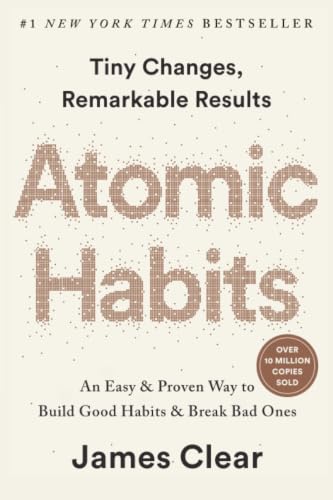
- BookAtomic Habits · Bookshop.org
In a randomized controlled pilot trial with 13 older adult patients with acute coronary syndrome, the experimental group showed an increase in weekly moderate-to-vigorous physical activity, 228.20 mins compared with 151.17 in the control group. The experimental group also showed greater use of routine consistency and cues at six months, habit-building techniques that may help make exercise a lasting habit; the pilot findings support a larger clinical trial.
- ReadFacilitating Exercise Habit Formation among Cardiac Rehabilitation Patients: A Randomized Controlled Pilot Trial - PMC · pmc.ncbi.nlm.nih.gov
Atomic Habits by James Clear argues that slowly replacing a negatively-affecting habit with a small positive one can help build willpower, "getting 1% better each day". Clear says habits are made of a "cue, craving, response, and reward", illustrated by a person turning on a light to see better.


Book links are Bookshop.org affiliate links. Curiate may earn a commission on purchases, at no extra cost to you — Bookshop.org also gives a share to independent bookshops.
Reading paths, built to arrive somewhere
Curiate turns what you are curious about into a short path — a quick lesson on an article, something to watch, and a book to go deep on. Free to browse.