How exercise changes muscle function
The physiology of physical exercise studies how the body responds to exercise in the moment and adapts over time, including changes that affect capacity and strength. The lessons answer how exercise changes muscle function and what can limit performance. They connect these changes to the body's systems and the demands of physical activity.
2 articles, 1 video, 1 book · about 43 min of reading and viewing
The reading path
- ReadHow the body adapts to exercise and what limits performance · Wikipedia · 31 min read
Phosphocreatine (PCr) system is a quick energy source that uses an enzyme to combine phosphocreatine and adenosine diphosphate into ATP and creatine. It is the most rapid but most readily depleted of these sources, and under anaerobic conditions lasts approximately 10 to 30 seconds of high-intensity work. During exercise, humans cool themselves through specialized thermoregulation based on sweat evaporation. One gram of sweat can remove 2,598 J of heat energy. Exercise-induced dehydration reduces aerobic endurance performance and increases body temperature, heart rate, and perceived exertion. Negative effects on performance have been demonstrated with modest (<2%) dehydration and are exacerbated in a hot environment.
- ReadScientists discover how exercise reverses muscle aging · ScienceDaily · 8 min read
Muscle health requires balancing the production of new proteins with the disposal of old or damaged ones, a process regulated in part by mTORC1, a signaling pathway that helps cells decide when to make proteins and support muscle maintenance. When mTORC1 becomes excessively active, muscle cells may produce too many proteins while failing to clear damaged ones.
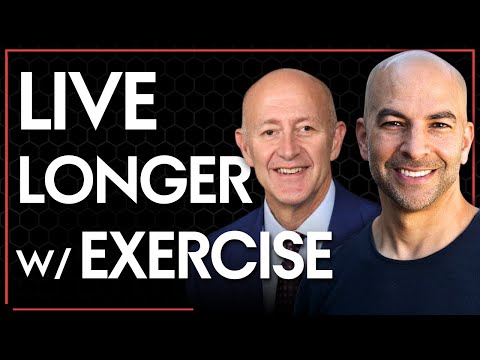
- WatchHow exercise can help you live longer | Peter Attia & Mike Joyner · YouTube · 4 min watch
Peter Attia and Mike Joyner discuss the five modifiable behaviors of longevity, why exercise helps people live longer, and the positive influences of exercise.
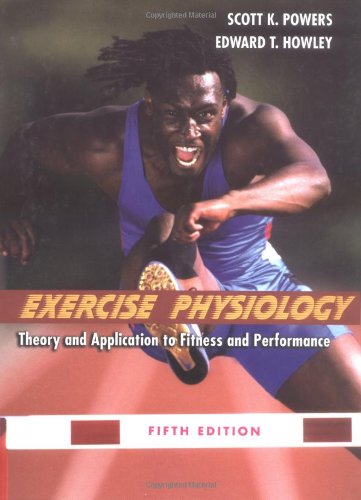
- BookExercise Physiology: Theory and Application to Fitness and Performance · Bookshop.org
Exercise Physiology by Scott Powers describes a foundation in theory illuminated by application and performance models, helping students understand and apply what they learn in the classroom and beyond.


Book links are Bookshop.org affiliate links. Curiate may earn a commission on purchases, at no extra cost to you — Bookshop.org also gives a share to independent bookshops.
Reading paths, built to arrive somewhere
Curiate turns what you are curious about into a short path — a quick lesson on an article, something to watch, and a book to go deep on. Free to browse.