How endurance training changes running physiology
Exercise physiology is the study of how the body responds to physical exercise in the short term and adapts to it over time. These lessons answer how endurance training changes running, helping readers understand the body's responses and adaptations that shape running performance. The path follows themes of training, energy use, cooling, and muscle function.
2 articles, 1 video, 1 book · about 59 min of reading and viewing
The reading path
- Readexercise physiology · Wikipedia · 31 min read
Exercise-induced dehydration, which develops during exercise, reduces aerobic endurance performance and increases body temperature, heart rate, perceived exertion, and possibly reliance on carbohydrate as a fuel source. In exercise physiology, humans cool themselves during exercise through specialized thermoregulation based on sweat evaporation. One gram of sweat can remove 2,598 J of heat energy. Active skeletal muscle is only 22 to 26% efficient: during continuous activity, about 24 W of mechanical energy comes with about 76 W of heat.
- ReadAerobic exercise cognitive fitness - Harvard Health · Harvard Health Blog · 2 min read
Aerobic exercise guidelines recommend 150 minutes of moderate-intensity activity, 75 minutes of vigorous activity, or an equivalent combination each week. They also recommend muscle-strengthening activities involving all major muscle groups on two or more days a week.
- WatchExercise Science Presentation 2014, Part II · YouTube · 26 min watch
Dr Jonathon Sullivan presents part two of a four-part talk on exercise science, covering how a coaches' association selects peer-reviewed material to read.
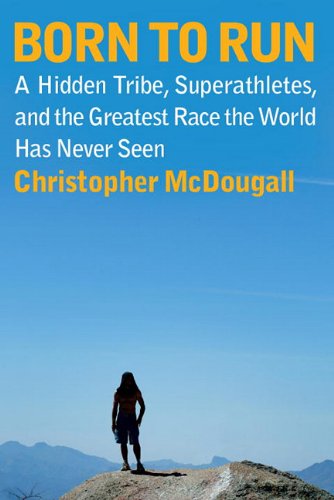
- BookBorn to Run: A Hidden Tribe, Superathletes, and the Greatest Race the World Has Never Seen · Bookshop.org
Born to Run by Christopher McDougall describes the Tarahumara's techniques for running hundreds of miles without rest, and their uncanny health and serenity.


Book links are Bookshop.org affiliate links. Curiate may earn a commission on purchases, at no extra cost to you — Bookshop.org also gives a share to independent bookshops.
Reading paths, built to arrive somewhere
Curiate turns what you are curious about into a short path — a quick lesson on an article, something to watch, and a book to go deep on. Free to browse.