How to personalize heart-rate training zones
Heart-rate training for endurance athletes uses heart rate, measured in beats per minute, which varies with the body's physical needs, including absorbing oxygen and excreting carbon dioxide. The lessons answer how athletes can understand and personalize their heart-rate training zones. They connect individual differences and measurement with ways to set training targets.
2 articles, 1 video, 1 book · about 2 hr 38 min of reading and viewing
The reading path
- ReadHeart-rate training for endurance athletes · Wikipedia · 39 min read
For heart-rate training, Dr. Fritz Hagerman observed that the maximum heart rates of men in their 20s on Olympic rowing teams vary from 160 to 220. Maximum heart rate is the highest number of heartbeats per minute reached during exercise stress at the point of exhaustion without severe problems. A cardiac stress test is the most accurate way of measuring any single person's HRmax, which varies by individual. During the test, a person undergoes controlled physiologic stress, generally on a treadmill or bicycle ergometer, while an electrocardiogram monitors the heart.
- ReadHeart Rate Training Zones Calculator for Athletes · Topend Sports · 5 min read
The Karvonen formula, developed by Finnish physician Martti Karvonen in the 1950s, accounts for resting heart rate as well as maximum heart rate. It calculates heart rate reserve, the difference between maximum and resting heart rates, for more personalized and accurate training zones for endurance athletes.
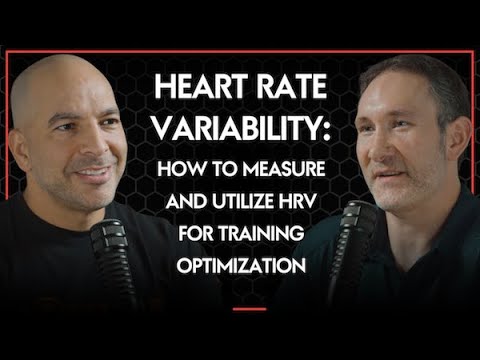
- Watch305 ‒ Heart rate variability: measure, interpret, & utilize HRV for training and health optimization · YouTube · 1 hr 54 min watch
Joel Jamieson explains how heart rate variability is measured and interpreted, and how it can inform training, recovery, and lifestyle choices.
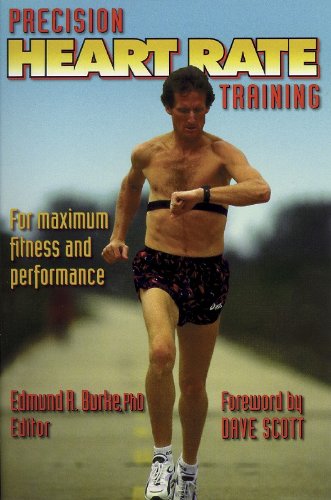
- BookPrecision Heart Rate Training · Bookshop.org
Precision Heart Rate Training is a book by Edmund Burke.


Book links are Bookshop.org affiliate links. Curiate may earn a commission on purchases, at no extra cost to you — Bookshop.org also gives a share to independent bookshops.
Reading paths, built to arrive somewhere
Curiate turns what you are curious about into a short path — a quick lesson on an article, something to watch, and a book to go deep on. Free to browse.