Exercise physiology and endurance capacity
Exercise physiology is the physiology of physical exercise and involves studying its acute responses and chronic adaptations. How do hydration and aerobic capacity relate to endurance exercise? By the end, readers will understand how fluid balance and measured aerobic capacity help explain differences in exercise performance.
2 articles, 1 book
The reading path
- Readexercise physiology · Wikipedia
Athletes in the study had significantly higher peak oxygen uptake than age- and sex-matched nonathletes on both exercise tests (p < 0.001). For example, male athletes averaged 52.37 ± 8.78 mL/kg/min on the treadmill, compared with 33.35 ± 3.77 mL/kg/min for control males; the study used the peak value reached during an incremental test to exhaustion as its measure of aerobic capacity.
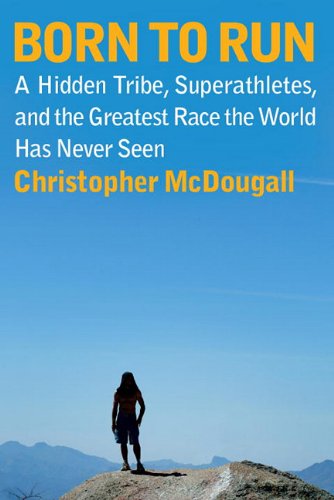
- BookBorn to Run: A Hidden Tribe, Superathletes, and the Greatest Race the World Has Never Seen · Bookshop.org
Even modest exercise-induced dehydration (<2%) can impair aerobic endurance, with greater effects in hot conditions. During 2 hours of cycling at 35 °C with minimal fluid, body mass fell by 3 to 5% and blood volume by 3 to 6%; replacing 50 to 80% of sweat losses largely eliminated the effects.
- ReadAssessment of Maximal Oxygen Uptake (VO2 Max) in Athletes and Nonathletes Assessed in Sports Physiology Laboratory - PMC · pmc.ncbi.nlm.nih.gov
Born to Run: A Hidden Tribe, Superathletes, and the Greatest Race the World Has Never Seen, is a 2009 best-selling non-fiction book written by the American author and journalist Christopher McDougall. The book has sold over three million copies.

Book links are Bookshop.org affiliate links. Curiate may earn a commission on purchases, at no extra cost to you — Bookshop.org also gives a share to independent bookshops.
Reading paths, built to arrive somewhere
Curiate turns what you are curious about into a short path — a quick lesson on an article, something to watch, and a book to go deep on. Free to browse.