Curiate

How the body and brain respond to training

Some bodies gain more from training than others, and exercise also shapes how long and how well we live. These curations look at what drives athletic success beyond a single gene, how exercise changes disease risk, and how aerobic training changes the brain.

Why athletic success takes more than genes with David Epstein

The Sports Gene is David Epstein's nonfiction book about how genetics and sports training affect human athleticism, published by Penguin Books in 2013. What does athletic success depend on beyond genes, and how do inherited traits and training contribute? The lessons build an understanding of why athletic success takes more than genes.

by Curiate·David Epstein on why no single gene decides athletic success in The Sports Gene

How Peter Attia's Outlive frames disease prevention

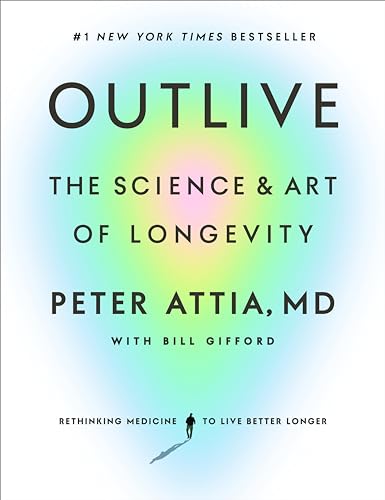
Peter Attia's Outlive, The Science and Art of Longevity, is a non-fiction health and wellness book about longevity, authored by physician Peter Attia and co-written with journalist Bill Gifford. The lessons answer how preventing disease can extend healthspan and help readers understand a preventive approach to health. They consider how prevention can shift care toward protecting healthy years.

by Curiate·Peter Attia's Outlive and the science and art of longevity

How aerobic exercise changes the brain's cognitive function

Moderate Exercise Enhances Connectivity in Brain Circuits - Neuroscience News reports on a study that followed 65 adults, aged 59 to 80, who joined a walking group or stretching and toning group for a year. Researchers measured participants' brain connectivity and performance on cognitive tasks at the beginning of the study, at six months and after a year of either walking or toning and stretching.

by Curiate·how aerobic exercise changes the brain

Reading paths, built to arrive somewhere

Curiate turns what you are curious about into a short path — a quick lesson on an article, something to watch, and a book to go deep on. Free to browse.

Explore CuriateHow it works