Why athletic success takes more than genes with David Epstein
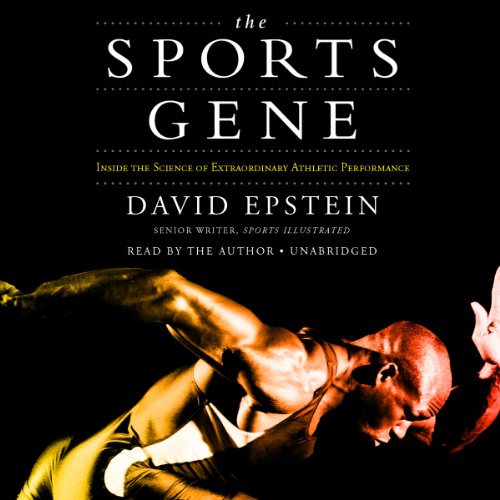
The Sports Gene is David Epstein's nonfiction book about how genetics and sports training affect human athleticism, published by Penguin Books in 2013. What does athletic success depend on beyond genes, and how do inherited traits and training contribute? The lessons build an understanding of why athletic success takes more than genes.
3 articles, 1 video, 1 book · about 15 min of reading and viewing
The reading path
- ReadDavid Epstein on why no single gene decides athletic success in The Sports Gene · Wikipedia · 2 min read
Epstein followed geneticist Yannis Pitsiladis to Jamaica to explore folklore that Jamaican sprinters descend from a warrior class of maroons. Pitsiladis found no special DNA signature linking maroons and sprinters, while Epstein and Pitsiladis emphasized the popularity of Jamaica's national high school track and field championships as part of the Jamaican sprint dynasty.
- ReadBook review: The Sports Gene · The Scotsman · 3 min read
After months of identical training, some athletes make almost no fitness gains, while others increase their aerobic capacities by 50 per cent or more. David Epstein reports that scientists have identified more than 20 gene variants that can separate high responders from low ones, and argues that no single known gene is sufficient to ensure athletic success.
- Read"The Sports Gene": A Book Review - Human Limits · Human Limits - Exploring performance and health with Michael J. Joyner, M.D. · 4 min read
The Sports Gene cautions that genes are not destiny: genetic clues are typically complex, and the genes of interest have small effects.
- WatchWhy divergent thinkers beat geniuses in the real world | David Epstein · YouTube · 6 min watch
David Epstein, author of The Sports Gene, explains how broad thinking and combining ideas from different domains can help solve problems.
- BookThe Sports Gene · Bookshop.org
The Sports Gene by David Epstein uses anecdotes and statistical studies to examine how nature and nurture, including gender, race, genetics, culture, and physical environment, contribute to success in specific sports.


Book links are Bookshop.org affiliate links. Curiate may earn a commission on purchases, at no extra cost to you — Bookshop.org also gives a share to independent bookshops.
Reading paths, built to arrive somewhere
Curiate turns what you are curious about into a short path — a quick lesson on an article, something to watch, and a book to go deep on. Free to browse.