The Sports Gene and the many factors behind athletic success
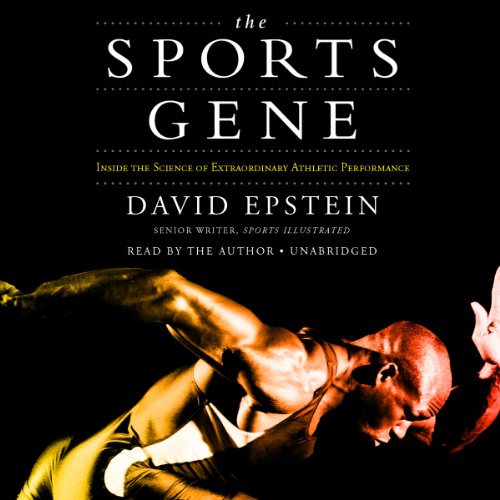
The Sports Gene is David Epstein's nonfiction book about how genetics and sports training affect human athleticism, published by Penguin Books in 2013. What shapes athletic success beyond genes, and how do training, learning, and environment matter? The lessons build an understanding of why no single factor can explain athletic achievement.
3 articles, 1 book
The reading path
- ReadDavid Epstein on why no single gene decides athletic success in The Sports Gene · Wikipedia
Geneticist Yannis Pitsiladis analyzed DNA in Jamaica and found no special signature linking maroons and sprinters, concluding that the genetic evidence does not support the island folklore that Jamaican sprinters descend from a warrior class of maroons. David Epstein, an investigative journalist, and Pitsiladis emphasize the popularity of Jamaica's national high school track and field championships, while Epstein notes that genetic diversity does not break down into discrete races as people often assume.
- ReadBook review: The Sports Gene · The Scotsman
After identical training, some athletes make almost no fitness gains, while others increase their aerobic capacities by 50 per cent or more; scientists have identified more than 20 gene variants that can separate high responders from low ones. The finding shows why practice alone cannot explain athletic success: people differ in how their bodies respond to training.
- BookThe Sports Gene · Bookshop.org
A leading woman softball pitcher easily struck out major league baseball's top hitters because they weren't trained to predict softball pitches. Epstein's review shows that athletic success involves both environment and learning and some genetic components: Finland's Eero Mäntyranta had a family genetic mutation that gave him a 65% higher red blood cell count than average humans, which seems to have contributed to his success as a long-distance skier.
- ReadReview: The Sports Gene · Center for Genetics and Society
The Sports Gene is a nonfiction book written by David Epstein, at the time a senior writer for Sports Illustrated, on the effects of genetics and sports training on human athleticism. Through investigative journalism, Epstein takes the reader through his experiences regarding what makes the difference between an amateur and a pro-athlete.


Book links are Bookshop.org affiliate links. Curiate may earn a commission on purchases, at no extra cost to you — Bookshop.org also gives a share to independent bookshops.
Reading paths, built to arrive somewhere
Curiate turns what you are curious about into a short path — a quick lesson on an article, something to watch, and a book to go deep on. Free to browse.