Curiate

How the body responds to training

Exercise changes the body in measurable ways, from the muscles that do the work to the heart rate that tracks effort. These lessons cover how training adapts the body, and how the aerobics boom of the 1980s moved fitness from the lab into the home.

How exercise changes muscle function

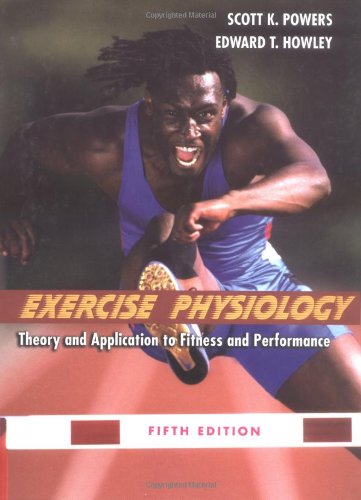
The physiology of physical exercise studies how the body responds to exercise in the moment and adapts over time, including changes that affect capacity and strength. The lessons answer how exercise changes muscle function and what can limit performance. They connect these changes to the body's systems and the demands of physical activity.

by Curiate·How the body adapts to exercise and what limits performance
How to personalize heart-rate training zones

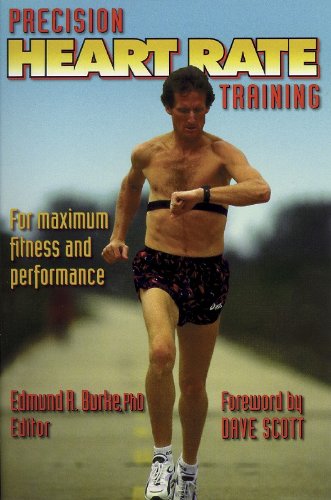
Heart-rate training for endurance athletes uses heart rate, measured in beats per minute, which varies with the body's physical needs, including absorbing oxygen and excreting carbon dioxide. The lessons answer how athletes can understand and personalize their heart-rate training zones. They connect individual differences and measurement with ways to set training targets.

by Curiate·Heart-rate training for endurance athletes

How the rise of aerobics in the 1980s moved from fitness science to home workouts

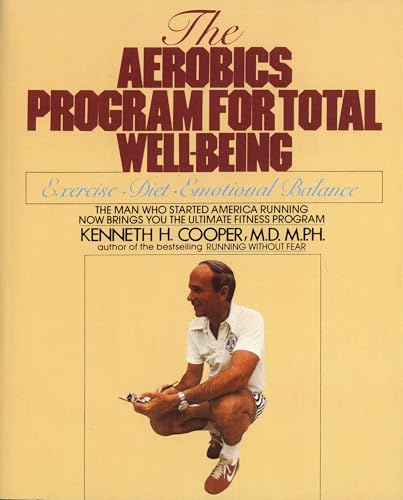
The rise of aerobics in the 1980s was the spread of exercise usually performed to music, amid increasing awareness of the need for increased exercise due to widespread weakness and inactivity.

by Curiate·the rise of aerobics in the 1980s

Reading paths, built to arrive somewhere

Curiate turns what you are curious about into a short path — a quick lesson on an article, something to watch, and a book to go deep on. Free to browse.

Explore CuriateHow it works