Victorian Fashion in the United Kingdom and British Empire
The fashion of the Gilded Age in America is a subject concerning Victorian clothing fashions and trends that emerged and developed in the United Kingdom and the British Empire throughout the Victorian era, roughly from the 1830s through 1900. The period saw many changes in styles, fashion technology, and methods of distribution.
2 articles, 1 book
The reading path
- Readthe fashion of the gilded age in america · Wikipedia
The 1856 cage crinoline freed women from heavy petticoats, while vivid synthetic dyes and commercial sewing machines made clothing more plentiful, inexpensive, and colorful. These innovations show how technology reshaped fashion and its production, though the greatest impact of commercial sewing machines was on men's clothing. By 1900, more than five million birds a year were being slaughtered, and nearly 95 per cent of Florida's shore birds had been killed by plume hunters. Late Victorian hats featured elaborate decorations of silk flowers, ribbons, and exotic plumes, and sometimes included stuffed birds; by 1899, early environmentalists like Adeline Knapp were engaged in efforts to curtail plume hunting.
- ReadGilded Age Fashion - Vanderbilt Mansion National Historic Site (U.S. National Park Service) · nps.gov
As women spent more time outside the home, the shirtwaist-tailored like a men's dress shirt but decorated with bright colors, lace, and frills-became popular for sportswear and office work. Meanwhile, reformers' concerns about corsets inspired Aesthetic Dress: artists and progressive social reformers wore loose dresses without corsets in public, and women were sometimes arrested because authorities and conservative citizens associated the style with prostitution. These examples show clothing both adapting to women's changing activities and becoming a contested form of social reform.
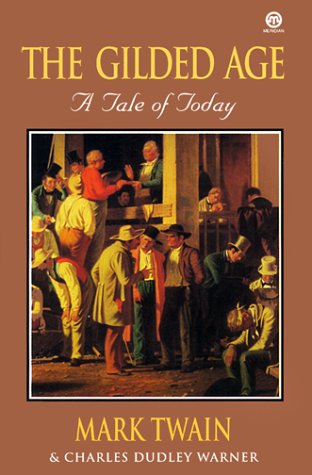
- BookThe Gilded Age: A Tale of Today · Bookshop.org
The Gilded Age by Mark Twain and Charles Dudley Warner satirizes greed and political corruption and the social pretensions of the newly rich. Twain argues that the lust for getting rich, powerful and famous through land speculation pervades society.

Book links are Bookshop.org affiliate links. Curiate may earn a commission on purchases, at no extra cost to you — Bookshop.org also gives a share to independent bookshops.
Reading paths, built to arrive somewhere
Curiate turns what you are curious about into a short path — a quick lesson on an article, something to watch, and a book to go deep on. Free to browse.