19th-century Industrial Revolution fashion and women's dress
The fashion of the 19th century industrial revolution means clothing styles and trends that developed in the United Kingdom and the British Empire during the Victorian era, roughly from the 1830s through 1900. What can changes in women's dress help us understand about technology's influence on clothing? The lessons build an understanding of how technological change reshaped women's dress and its place in everyday life.
2 articles, 1 book
The reading path
- Read19th-century industrial revolution fashion and women's dress · Wikipedia
By 1856 the cage crinoline replaced layers of petticoats stiffened with woven horsehair, making skirts lighter and easier to walk in. The example shows how technological changes reshaped women's dress: the fullness of the skirt helped determine the outer garment's silhouette. By 1890, skirts flared in an A-line. Much of the excess trim of the traditional style of the 1880s disappeared in the 1890s, and dresses had a softer, less restrictive look; many more women participated in sports and other physical activities that required a less structured fit.
- BookThe Dressmaker · Bookshop.org
Mass production of sewing machines in the 1850s meant clothing could be made more quickly and cheaply, while fashion magazines let the masses participate in changing trends. Technological innovation of 1860s provided women with freedom and choices, but dress reform movements advocating natural silhouettes and lightweight underwear did not gain widespread support.
- ReadSeamstress to Factory: Fashion and Clothing in the Victorian Era · Brewminate: A Bold Blend of News and Ideas
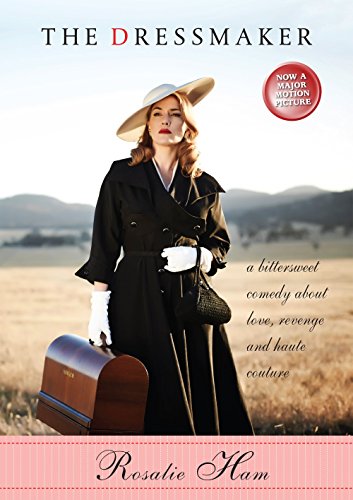
The Dressmaker by Rosalie Ham describes Tilly Dunnage's return after mastering dressmaking at couture houses in Paris, where her dresses attract the prim women of Dungatar and her fashion business brings grudging acceptance. It shows dressmaking as a business and a source of social standing.


Book links are Bookshop.org affiliate links. Curiate may earn a commission on purchases, at no extra cost to you — Bookshop.org also gives a share to independent bookshops.
Reading paths, built to arrive somewhere
Curiate turns what you are curious about into a short path — a quick lesson on an article, something to watch, and a book to go deep on. Free to browse.