Fashion technology in garment design and production
Fashion technology concerns modern Western fashion design, which is often considered to have started in the 19th century with Charles Frederick Worth, although tailors had sewn in labels with their name since at least 1828. Only clothing created after 1858 is considered fashion design. The path explores design, fit, and production, including how patterns are shaped and garments are made.
2 articles, 1 book
The reading path
- Readfashion technology · Wikipedia
Sloper is a base pattern sized to fit the model or made using standard size charts. Garment design starts with patternmaking, and a designer may manipulate the pattern through dart movement, closer contouring, or added fullness. Once satisfied with a toile's fit, the designer consults a pattern maker for a finished working pattern, and a sample garment is tested on a model to check that it works as an outfit. Mass-market brands often wait around a season to see whether a style catches on before making ready-to-wear versions of famous names' looks. They save time and money with cheaper fabrics and simpler, machine-assisted production, so the garments can be sold much more cheaply.
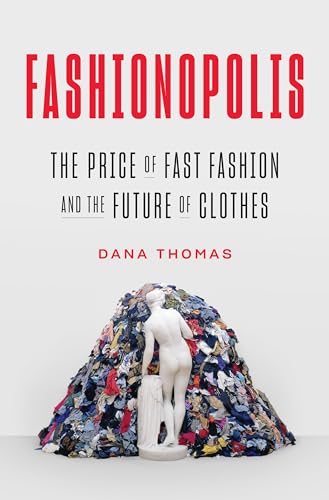
- BookFashionopolis: The Price of Fast Fashion and the Future of Clothes · Bookshop.org
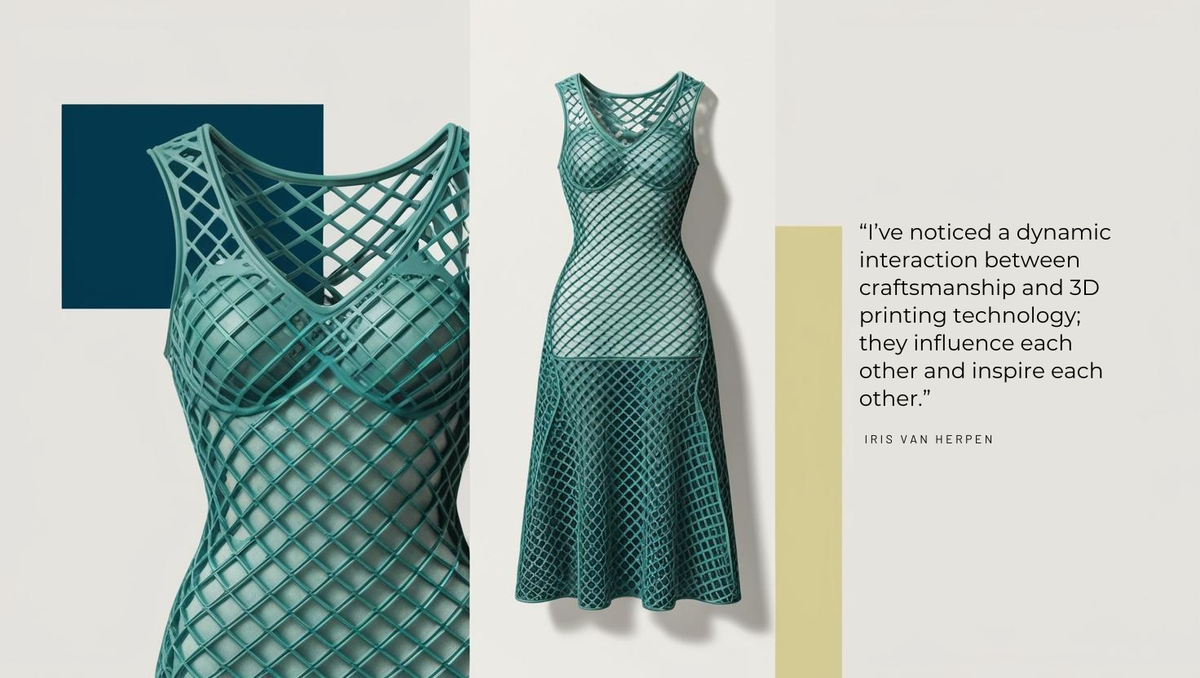
Designers can simulate fit and movement digitally, then print and test multiple prototypes in a day; 3D printing can compress fashion's 9 to 18 month cycle into weeks or days. Zellerfeld's Heron sneakers are printed from one material, then returned, ground into pellets, and reprinted into new pairs.
- ReadThe Indefinite Guide To 3D Printing In Fashion · Techpacker Blog
Fashionopolis by Dana Thomas explores the environmental and social costs of the fast fashion industry and offers a vision for a more sustainable future, helping readers consider the impact of their clothing choices.

Book links are Bookshop.org affiliate links. Curiate may earn a commission on purchases, at no extra cost to you — Bookshop.org also gives a share to independent bookshops.
Reading paths, built to arrive somewhere
Curiate turns what you are curious about into a short path — a quick lesson on an article, something to watch, and a book to go deep on. Free to browse.