How Anna Wintour made fashion a public spectacle
In 1995, Anna Wintour became a co-chair of the Met Gala and turned it into one of the major popular culture events of the year. How do fashion editors use magazines, editorial control, and celebrity culture to shape what the public sees as fashionable and desirable? The role of fashion in shaping public perception concerns fashion as an industry, designs, aesthetics, and trends, and as clothing, footwear, accessories, cosmetics, and jewellery that signify social status, self-expression, and group belonging. In The Devil Wears Prada by Lauren Weisberger, readers meet Andrea's demanding work at the top of the fashion world, where industry status and expectations affect workplace behavior.
2 articles, 1 book
The reading path
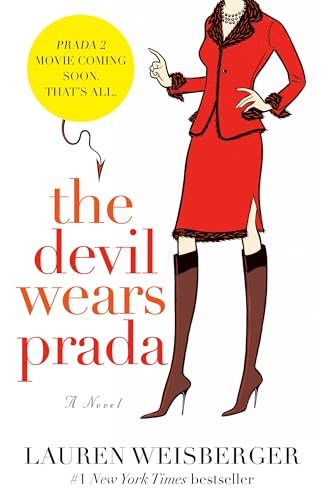
- BookThe Devil Wears Prada · Bookshop.org
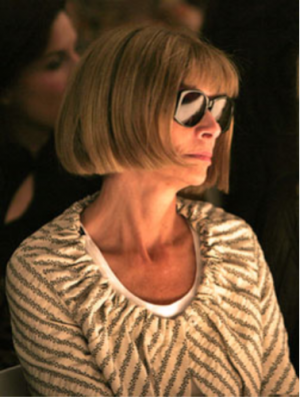
Anna Wintour, a British-American fashion journalist, was born on November 3, 1949, in London to Charles Wintour and Eleanor Trego Baker. Her father was a prominent journalist and editor of the Evening Standard, her mother was a film critic, and her brother would become political editor of the Guardian; Wintour later transformed waning public interest in fashion through celebrity culture and support for underdog designers. Anna Wintour was fired within nine months of becoming junior fashion editor at Harper's Bazaar, an American monthly women's fashion magazine, after her overly complex fashion shoots. Vogue hired her as its first creative director in 1983, and two years later she became editor of Vogue UK, the British edition of Vogue, where she exerted tremendous control to modernize the magazine for a contemporary woman. In 1995, Anna Wintour became a co-chair, a person who shares leadership, for the Costume Institute Benefit, an annual fundraising festival for the Metropolitan Museum of Art's Costume Institute, also known as the Met Gala. Wintour turned the Met Gala into one of the major popular culture events of the year, extending fashion's reach through celebrity culture.
- ReadAnna Wintour · National Women's History Museum
The 2009 documentary The September Issue follows Anna Wintour, a British-American media executive who served as editor-in-chief of Vogue from 1988 to 2025, and her staff through the behind-the-scenes drama of producing the September 2007 issue of American Vogue, a monthly fashion magazine. It shows her editorial influence at work as the magazine's choices took shape.
- ReadThe September Issue · Wikipedia
The Devil Wears Prada by Lauren Weisberger traces Andrea's demanding work at the top of the fashion world and focuses on how fashion-industry status and expectations affect workplace behavior.

Book links are Bookshop.org affiliate links. Curiate may earn a commission on purchases, at no extra cost to you — Bookshop.org also gives a share to independent bookshops.
Reading paths, built to arrive somewhere
Curiate turns what you are curious about into a short path — a quick lesson on an article, something to watch, and a book to go deep on. Free to browse.