Gender representation in media and gender norms
The representation of gender in media is how media portrayals reflect the social norms and values surrounding gender in modern society. These lessons answer how media representations construct gender norms and help readers understand how portrayals shape expectations. They consider patterns across entertainment, news, advertising, and audience perceptions.
4 articles, 1 book
The reading path
- Readthe representation of gender in media · Wikipedia
Historically, women have often been portrayed as caretakers and love interests, and even pioneering female leads Lucille Ball and Doris Day are portrayed as home-makers, wives, and mothers. Ellen Ripley, Sarah Connor and Buffy Summers are female characters who deviate from these stereotypes and are often cited by feminist and conservative critics as examples against the "Girlboss" archetype, linking media portrayals to gender stereotypes. In 2024, male and female protagonists in film each accounted for 42%, and female characters held 39% of major roles; the source also reports that 16% of female characters were over 40 and 5% were over 60, compared with 55% of male characters over 40. These portrayals reflect social norms and value systems surrounding gender. A 2021 study published in Psychology of Popular Media found that, among top-rated US sitcoms from 1980 to 2017, newer sitcoms portrayed fathers as increasingly foolish and less likely to demonstrate parenting roles. The study found that 18% of scenes in the 1980s depicted fathers as having incompetent parenting, compared to 56% in the 2010s, reflecting how media representations of gender roles relate to social norms and values.
- ReadGender and Media Representations: A Review of the Literature on Gender Stereotypes, Objectification and Sexualization - PMC · pmc.ncbi.nlm.nih.gov
News coverage mostly features men, and women athletes' coverage tends to focus on appearance rather than technical language. Advertising also depicts men in professional roles more often and women in non-working, recreational roles, especially in countries that show high gender inequality. These patterns show how media representations can reinforce restrictive gender expectations.
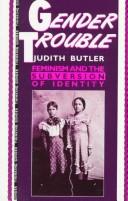
- BookGender Trouble · Bookshop.org
In Alien, Ripley and Lambert pass the Bechdel-Wallace Test with only a few brief conversations about the monster. The test asks whether a story has at least two named women who talk to each other about something besides a man; its low bar draws attention to how mainstream films reduced women to supporting roles with limited impact on the plot. Although women's representation is increasingly diverse, the test remains a tool for measuring change.
- ReadThe Bechdel Test | Representation of Women in Film · Media Studies
In a survey of 300 respondents, audiences distinguished the heroine, associated with virtue and respectability, from the hyper-sexualized item girl. The item girl's portrayal was the strongest predictor of behavioral perceptions, and its association with perceived real-world impacts was interpreted as an association, not a causal effect.
- ReadRepresentations of female characters in Bollywood cinema: stereotypes, audience perceptions, and societal impacts - PMC · pmc.ncbi.nlm.nih.gov
Gender Trouble by Judith Butler argues that gender is maintained, created or perpetuated through repeated ways of speaking and interacting, a perspective for considering how gender is represented in media.

Book links are Bookshop.org affiliate links. Curiate may earn a commission on purchases, at no extra cost to you — Bookshop.org also gives a share to independent bookshops.
Reading paths, built to arrive somewhere
Curiate turns what you are curious about into a short path — a quick lesson on an article, something to watch, and a book to go deep on. Free to browse.