The study of mythology and shared patterns
The study of mythology compares myths from different cultures to identify shared themes and characteristics; scholars have used relationships between myths to trace the development of religions and cultures, propose common origins, and support psychoanalytical theories. How do scholars find and interpret patterns across myths? By the end, readers will understand several approaches to comparison and the limits of some interpretations.
2 articles, 1 book
The reading path
- Readthe study of mythology · Wikipedia
Greek Zeus Pater, Roman Jupiter, and Indian (Vedic) Dyauṣ Pitṛ have linguistically identical names, an example of how some scholars compare myths by looking at linguistic relationships between cultures. Scholars say these similarities suggest the Greeks, Romans, and Indians originated from a common ancestral culture, with the names evolving from the older name *Dyēus ph2ter for a sky-god. Vladimir Propp, a folklorist, proposed that many Russian fairy tales have a common plot structure, with certain events in a predictable order. Some scholars look for structures shared by different myths: anthropologist Claude Lévi-Strauss examined relationships between myth elements, which he believed could form oppositions such as raw versus cooked or nature versus culture; he thought myths "mediate" these tensions. The Babylonian Epic of Gilgamesh and the Hebrew Bible both tell of a global flood that wiped out humanity and a man who saved the Earth's species aboard a boat. Across traditions, flood stories share core elements such as divine warnings, ark construction, and the preservation of righteousness, showing recurring patterns in world myths.
- ReadHear 48 Hours of Lectures by Joseph Campbell on Comparative Mythology and the Hero's Journey · Open Culture
Joseph Campbell, a writer and teacher of mythologies, describes ritual entries into adulthood, including defeating idols in masks and taking on their power, and burial enactments that kill the "infantile ego" (academics, he says, sometimes never leave this stage). Campbell wrote about the hero's journey, an archetype, and his ideas offer a way to understand archetypal stages of coming of age, though some of his methods are flawed and his terminology outdated.
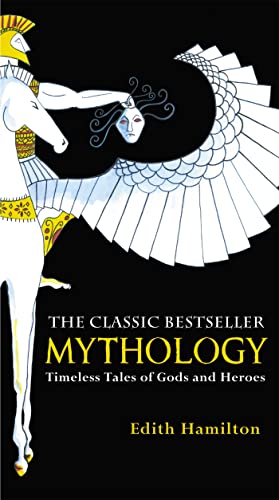
- BookMythology: Timeless Tales of Gods and Heroes · Bookshop.org
Mythology by Edith Hamilton brings to life Greek, Roman, and Norse myths, the stories of gods and heroes that have inspired human creativity from antiquity to the present.

Book links are Bookshop.org affiliate links. Curiate may earn a commission on purchases, at no extra cost to you — Bookshop.org also gives a share to independent bookshops.
Reading paths, built to arrive somewhere
Curiate turns what you are curious about into a short path — a quick lesson on an article, something to watch, and a book to go deep on. Free to browse.