Cultural memory in communication and community heritage
Cultural memory is a form of collective memory shared by a group of people who share a culture. How do communities make, circulate and preserve memories? Readers will understand how shared memories are shaped through communication, collective perspectives and community practices across generations.
3 articles, 1 book
The reading path
- Readcultural memory · Wikipedia
Cultural memory is the product of public communication and the circulation of memories in mediated form. Because culture is in limited supply, selection, representation and interpretation shape what is said and remembered; some utterances are transmitted, preserved, repeated and transformed.
- BookThe Memory Palace of Matteo Ricci · Bookshop.org
Community archives linked to cultural festivals in Zimbabwe can keep heritage in communities rather than central repositories. The Matendera Festival, Tonga cultural gatherings and other festivals preserve and transmit heritage through storytelling, music, dance, ritual performance and craft-making, enabling intergenerational knowledge transfer.
- ReadUtrecht University Repository · dspace.library.uu.nl
Researchers compared people's memories for personal events versus collective events for the nation in China and the US. Participants in the US showed a negativity bias in their collective memory, remembering more negative than positive events, but participants in China remembered equal numbers of positive and negative memories.
- ReadCommunity-Driven Archiving: Safeguarding Intangible Culture through Participatory Documentation in Zimbabwe – International Journal of Documentary Heritage · ijodh.org
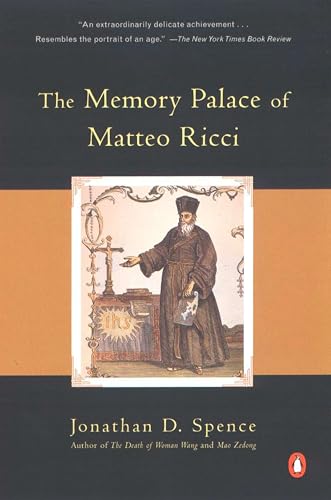
The Memory Palace of Matteo Ricci by Jonathan D. Spence recounts the late-sixteenth-century Jesuit missionary's activities in China and examines their cultural and historical contexts, giving a specific historical case for considering how culture and memory are shaped.
Book links are Bookshop.org affiliate links. Curiate may earn a commission on purchases, at no extra cost to you — Bookshop.org also gives a share to independent bookshops.
Reading paths, built to arrive somewhere
Curiate turns what you are curious about into a short path — a quick lesson on an article, something to watch, and a book to go deep on. Free to browse.