How Southern blues took root in Chicago
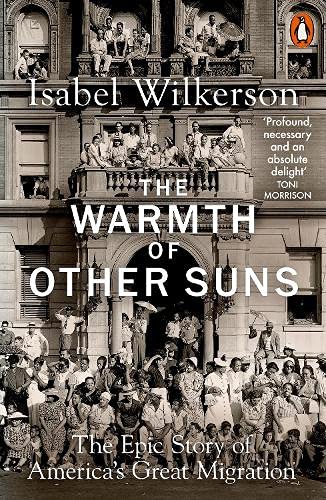
Narvel Eatmon and Bea Eatmon found success in Chicago's growing blues industry after millions of Black Americans moved north during the 20th century, bringing blues with them. How did the Great Migration root Southern blues in Chicago? The impact of migration on culture includes assimilation, a process often discussed in relation to immigrants settled in a new land. The Warmth of Other Suns by Isabel Wilkerson chronicles how an exodus of almost six million Black citizens changed the face of America from 1915 to 1970.
3 articles, 1 book
The reading path
- BookThe Warmth of Other Suns · Bookshop.org
In the 20th century, millions of black Americans who lived in southern states packed up and moved to northern cities, drawn by the promise of greater freedom and better jobs. They brought the blues, a musical genre with deep African roots that reflected the realities of black life, and Narvel Eatmon and Bea Eatmon found success in Chicago's growing blues industry.
- ReadHow my grandparents helped shape Chicago's blues industry · WBEZ Chicago
Chicago blues evolved from rural Delta blues following the Great Migration, the movement of African Americans from the southern U.S. to northern industrial cities such as Chicago, which was forced and voluntary at times. Big Bill Broonzy and Muddy Waters joined that migration, escaping harsher southern Jim Crow laws and seeking better jobs and a more promising life in the North.
- ReadChicago blues · Wikipedia
Chess Records was an American record company established in 1950 in Chicago, specializing in blues and rhythm and blues. Its establishment shows how migration's impact on culture included a Chicago home for blues music.
- ReadChess Records · Wikipedia
The Warmth of Other Suns by Isabel Wilkerson chronicles the decades-long migration of black citizens from the South to northern and western cities, describing how an exodus of almost six million people changed the face of America from 1915 to 1970. Wilkerson compares this migration to those of other peoples in history.


Book links are Bookshop.org affiliate links. Curiate may earn a commission on purchases, at no extra cost to you — Bookshop.org also gives a share to independent bookshops.
Reading paths, built to arrive somewhere
Curiate turns what you are curious about into a short path — a quick lesson on an article, something to watch, and a book to go deep on. Free to browse.