San Francisco youth culture and fashion in the 1960s
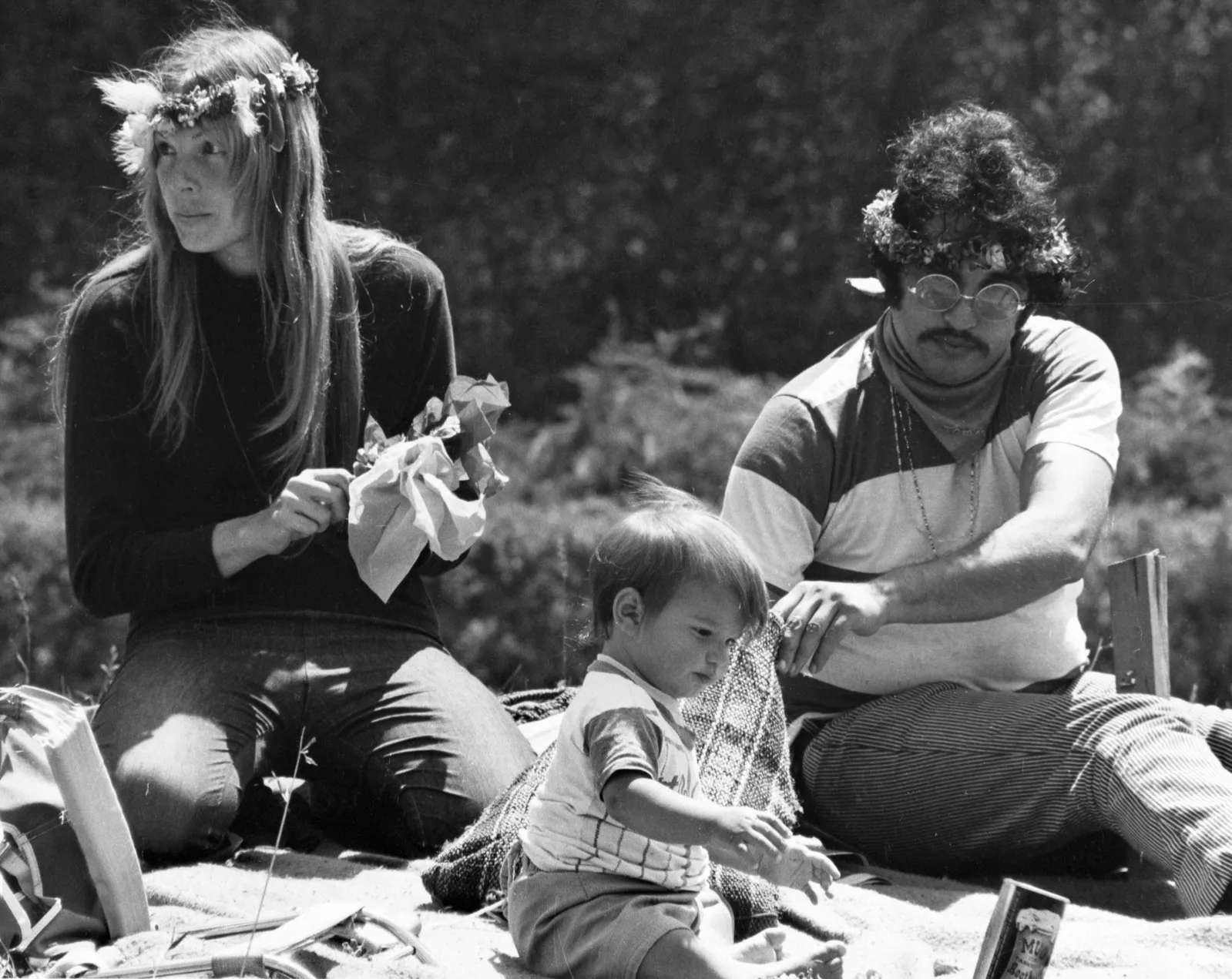
Youth culture and fashion in 1960s San Francisco was part of an anti-establishment cultural phenomenon and political movement that celebrated experimentation, individuality, modern Bohemianism, and alternative lifestyles. This path helps readers understand the culture and its place in the Western world, from the mid-1960s to the early 1970s.
2 articles, 1 book
The reading path
- Readthe youth culture and fashion in 1960s san francisco · Wikipedia
In 1967, Scott McKenzie, who sang the song "San Francisco (Be Sure to Wear Flowers in Your Hair)," brought as many as 100,000 young people from all over the world to celebrate San Francisco's "Summer of Love." San Francisco's flower children, also called "hippies" by local newspaper columnist Herb Caen, adopted new styles of dress, experimented with psychedelic drugs, lived communally and developed a vibrant music scene. Underground newspapers communicated radical political opposition to "the Establishment" alongside experimental art, music and cinema and uninhibited indulgence in sex and drugs as symbols of freedom. The papers also often included comic strips, from which underground comix were an outgrowth.
- ReadThe Human Be-In, Which Happened on This Day in 1967, Set the Stage for the 'Summer of Love' · Smithsonian Magazine
The Human Be-In took place on January 14, 1967, in San Francisco's Golden Gate Park. Researcher Helen Perry, who attended, wrote that "There was no program; it was a happening," and likened it to a religious rite. Martine Algier, who helped publicize the Be-In, said, "We wanted to send a signal out to them: 'Hey, it's OK to come out and spread your wings.'"
- BookThe Electric Kool-Aid Acid Test · Bookshop.org
The Electric Kool-Aid Acid Test by Tom Wolfe chronicles the Acid Tests, encounters with the Hells Angels, Grateful Dead, and Allen Ginsberg, and Kesey's exile to Mexico and arrests.


Book links are Bookshop.org affiliate links. Curiate may earn a commission on purchases, at no extra cost to you — Bookshop.org also gives a share to independent bookshops.
Reading paths, built to arrive somewhere
Curiate turns what you are curious about into a short path — a quick lesson on an article, something to watch, and a book to go deep on. Free to browse.