Beat ideals versus beatnik stereotypes in San Francisco
The philosophy of the Beat Generation in 1950s San Francisco was part of a literary subculture movement whose work explored and influenced American culture and politics after World War II, and whose central elements included rejecting standard narrative values and economic materialism, pursuing spiritual quests, exploring American and Eastern religions, and embracing sexual liberation and exploration.
2 articles, 1 book · about 42 min of reading and viewing
The reading path
- Readthe philosophy of the beat generation in 1950s san francisco · Wikipedia · 39 min read
Race and sexuality in the Beat Generation were mostly discussed from a white perspective, but Bob Kaufman, LeRoi Jones (Amiri Baraka), Ted Joans, Charlie Parker and Alene Lee brought attention to black culture through music, language and art. African-American vernacular rejected historic and current oppression, providing "a cultural cohesion within the Beat counterculture and the avant-garde". The Beat Generation was considered an all 'boys club', and women were still seen as submissive and overshadowed by respected and established male Beat writers. Expectations of 'the housewife' and the notion that "domesticity is a personal service" allowed women's voices within the movement to be overlooked. Gary Snyder defined wild as "whose order has grown from within and is maintained by the force of consensus and custom rather than explicit legislation." Snyder attributed wild to Buddhism and Daoism, the interests of some Beats, linking Beat ideals to spiritual traditions. He added, "The wild is not brute savagery, but a healthy balance, a self-regulating system."
- ReadHow the Beat Generation Became "Beatniks" - JSTOR Daily · JSTOR Daily · 3 min read
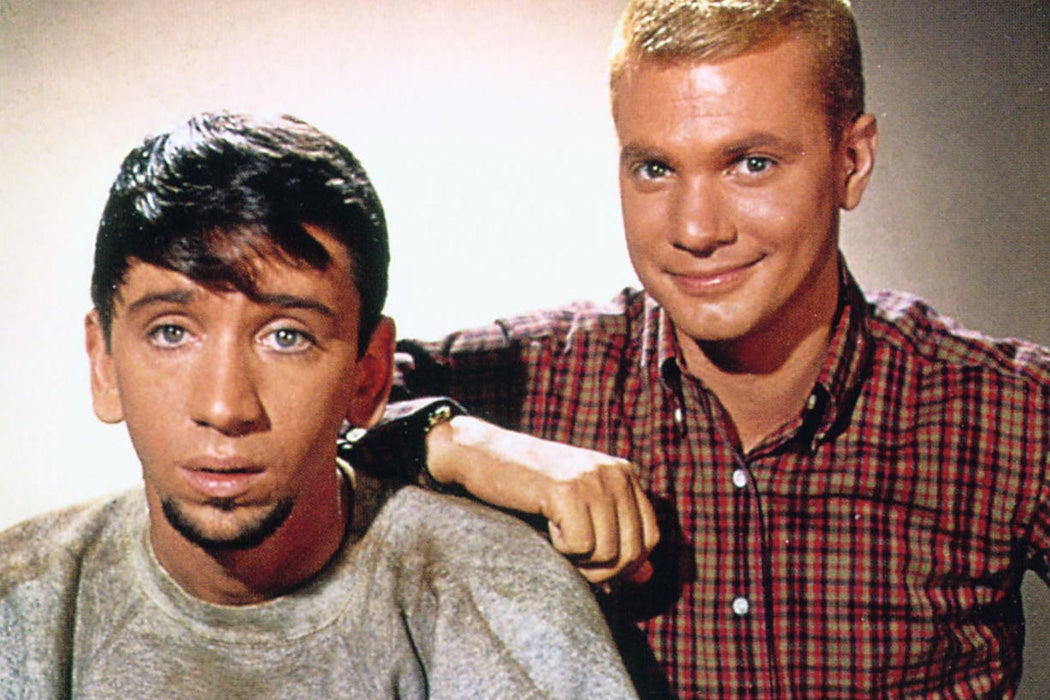
The Beat Generation's leading writers were not the beatniks in popular images: those images showed a bohemian lifestyle highlighted by "Howl" and On the Road. Petrus writes that the years between 1957 and 1960 marked "the acceptance of the beatnik dissent and the emergence of a fad: a cultural protest transformed into a commodity."
- BookOn the Road · Bookshop.org
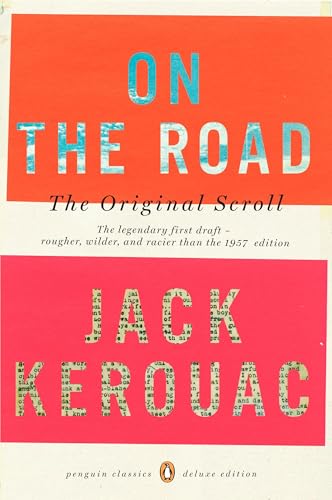
On the Road by Jack Kerouac chronicles Sal Paradise and Dean Moriarty roaming the country in a quest for self-knowledge and experience; Kerouac's love of America, compassion for humanity, and sense of language as jazz combine in this novel of freedom and longing, which defined what it meant to be "Beat."

Book links are Bookshop.org affiliate links. Curiate may earn a commission on purchases, at no extra cost to you — Bookshop.org also gives a share to independent bookshops.
Reading paths, built to arrive somewhere
Curiate turns what you are curious about into a short path — a quick lesson on an article, something to watch, and a book to go deep on. Free to browse.