The Human Be-In and Summer of Love in San Francisco youth culture
Youth culture and fashion in 1960s San Francisco was part of an anti-establishment movement that celebrated experimentation, individuality, modern Bohemianism, and alternative lifestyles. This path helps readers understand how young people's styles and gatherings reflected a perceived divide between generations, and how counterculture spread beyond San Francisco.
3 articles, 1 book · about 1 hr 32 min of reading and viewing
The reading path
- Readthe youth culture and fashion in 1960s san francisco · Wikipedia · 60+ min read
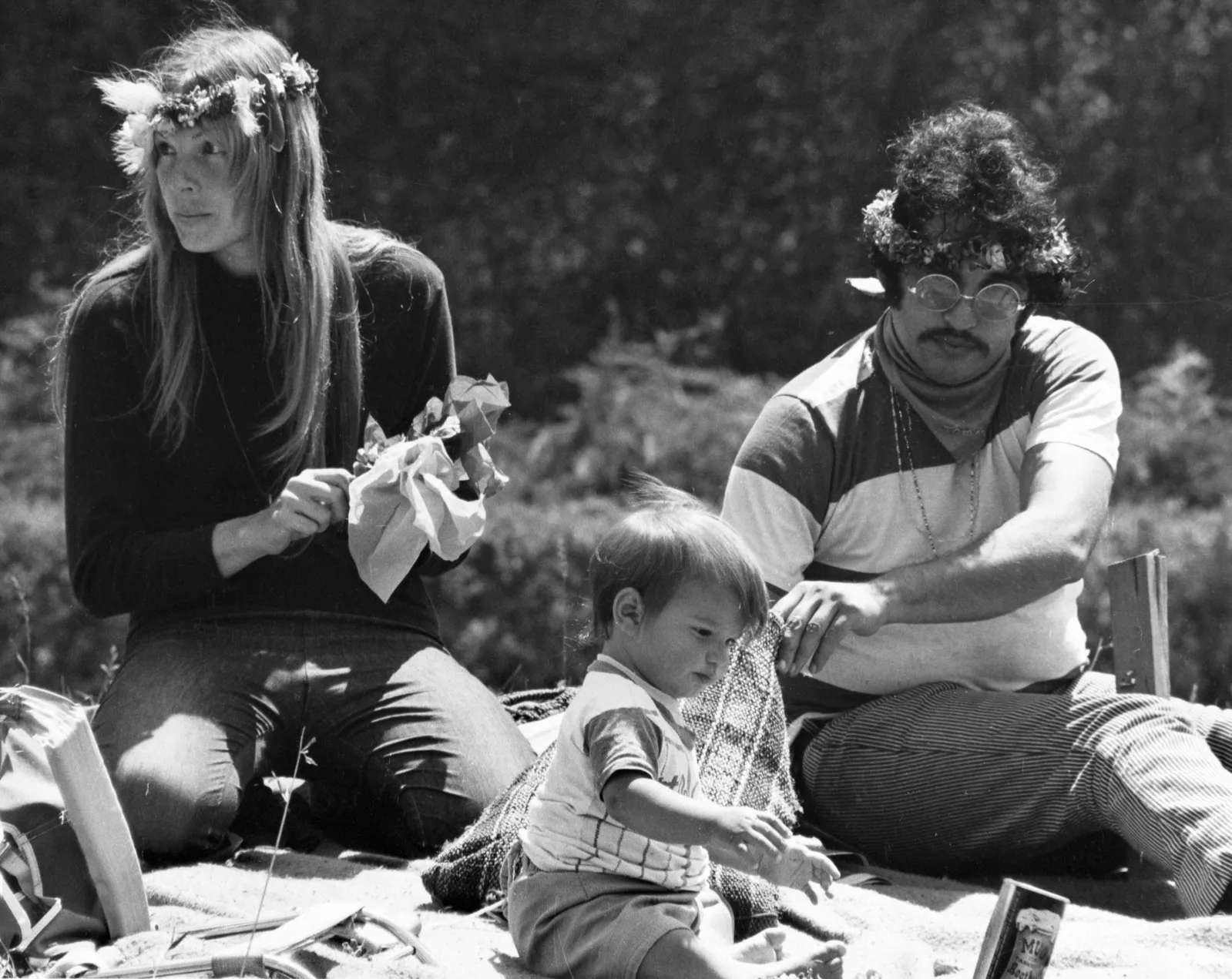
In the youth culture of 1960s San Francisco, the January 14, 1967, Human Be-In, organized by artist Michael Bowen, fully activated the media's attention on culture. San Francisco's flower children, also called "hippies" by local newspaper columnist Herb Caen, adopted new styles of dress, experimented with psychedelic drugs, lived communally and developed a vibrant music scene. San Francisco State College instructor Stephen Gaskin was a hippie "high priest" in 1960s San Francisco youth culture. Beginning in 1966, his "Monday Night Class" outgrew its lecture hall and attracted 1,500 hippie followers for discussions of spiritual values drawn from Christian, Buddhist, and Hindu teachings. The Monterey Pop Festival, one of the first rock festivals of the 1960s, launched Hendrix's career in the US. Rock festivals of that era helped spread the counterculture across the country.
- ReadRemembering the Human Be-In - JSTOR Daily · JSTOR Daily · 3 min read
The January 14, 1967, Human Be-In brought more than 20,000 hippies and participants in the counterculture together in San Francisco's Golden Gate park to do little more than simply "be" together. The event cemented Haight-Ashbury as a center of countercultural activity, setting the stage for thousands of youth and a media blitz in the Summer of Love in 1967.
- ReadThe Human Be-In, Which Happened on This Day in 1967, Set the Stage for the 'Summer of Love' · Smithsonian Magazine · 2 min read
On January 14, 1967, hippies and other counterculture participants swarmed to the polo grounds in San Francisco's Golden Gate Park for the Human Be-In. Timothy Leary advised attendees to "Turn on, tune in, drop out," while the Grateful Dead and Jefferson Airplane played and poets Allen Ginsberg and Lawrence Ferlinghetti made appearances.
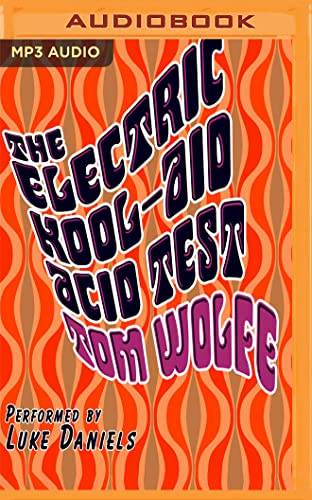
- BookThe Electric Kool-Aid Acid Test · Bookshop.org
The Electric Kool-Aid Acid Test by Tom Wolfe chronicles the Acid Tests, encounters with the Hells Angels, Grateful Dead, and Allen Ginsberg, and Kesey's exile to Mexico and arrests.


Book links are Bookshop.org affiliate links. Curiate may earn a commission on purchases, at no extra cost to you — Bookshop.org also gives a share to independent bookshops.
Reading paths, built to arrive somewhere
Curiate turns what you are curious about into a short path — a quick lesson on an article, something to watch, and a book to go deep on. Free to browse.