How African Rhythms Reshaped American Jazz
Jazz originated in the late 19th and early 20th centuries within African-American communities, deeply rooted in various musical traditions including African rhythms. The genre's characteristics such as improvisation and polyrhythms reflect its African heritage, showcasing a rich cultural exchange.
- ReadJazz · Wikipedia
Defines jazz as a genre born from African-American communities, blending blues, ragtime, and African rhythmic rituals. It emphasizes key characteristics like swing, blue notes, and improvisation that distinguish jazz.
- ReadFela Kuti · Wikipedia
Details Fela Kuti's role as a pioneer of Afrobeat, merging West African music with American funk and jazz. His influence as a political activist and charismatic performer reshaped perceptions of African music globally.
- WatchWynton Marsalis | History of Jazz - African Rhythms · YouTube
Presents a visual exploration of the historical significance of Congo Square in New Orleans, where African rhythms and traditions thrived. It connects these roots to the improvisational nature of jazz, illustrating its evolution.
- BookThe Birth of Bebop: A Social and Musical History · Bookshop.org
Chronicles the emergence of bebop, linking its development to African musical traditions and social contexts. The narrative reveals how cultural exchanges and innovations shaped jazz into a complex art form.
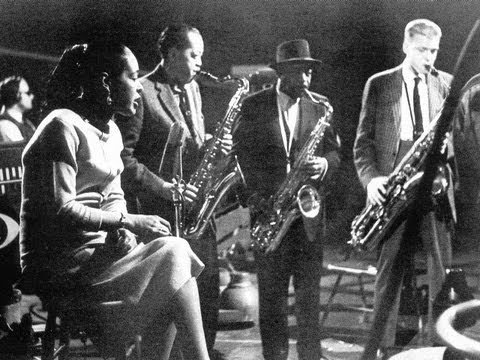

The selected pieces collectively illustrate the profound influence of African music on jazz, tracing its origins and evolution. Starting with a broad overview of jazz, the curation then delves into specific examples like Fela Kuti's Afrobeat, highlighting the fusion of African and American musical elements. Visual and literary resources further contextualize these connections, culminating in a comprehensive narrative about jazz's development through cultural exchange.
Book links are Bookshop.org affiliate links. Curiate may earn a commission on purchases, at no extra cost to you — Bookshop.org also gives a share to independent bookshops.
Reading paths, built to arrive somewhere
Curiate turns what you are curious about into a short path — an entry point, something to watch, and the key book on the topic. Free to browse.