The Cost of Convenience and Privacy Trade-offs
The rise of digital technology has brought unparalleled convenience, but it raises critical questions about privacy. As we embrace tools that simplify our lives, we must confront the implications of data collection and surveillance. The balance between ease of use and the protection of personal information is increasingly precarious. Understanding this trade-off is essential in navigating our digital landscape.
- ReadInformation privacy · Wikipedia
Defines information privacy as the relationship between data collection, public expectations, and legal issues surrounding data protection. It highlights the growing concerns over how personal data is managed and shared in the digital age.
- ReadFacebook–Cambridge Analytica data scandal · Wikipedia
Examines the Facebook–Cambridge Analytica scandal, where data from millions of users was harvested without consent for political advertising. This incident sparked widespread outrage and raised awareness about the risks of personal data exploitation.
- WatchGlenn Greenwald: Why privacy matters · YouTube
Argues for the significance of privacy, even for those who believe they have nothing to hide, emphasizing that surveillance affects everyone. Greenwald points out that the erosion of privacy can lead to a chilling effect on free expression and dissent.
- BookData and Goliath: The Hidden Battles to Collect Your Data and Control Your World · Bookshop.org
Analyzes the landscape of data surveillance and the motivations behind it, detailing how companies and governments collect and utilize personal information. Schneier reveals the hidden battles over data control and the implications for individual autonomy.

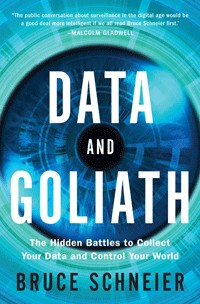
This curation begins with a foundational understanding of information privacy, establishing the context for the ongoing debate. It then presents a real-world example of privacy violations through the Facebook–Cambridge Analytica scandal, illustrating the consequences of data misuse. Glenn Greenwald's TED Talk further emphasizes the importance of privacy in the age of surveillance, while Bruce Schneier's book provides a comprehensive analysis of data collection practices and their implications. Together, these pieces guide the reader through the complexities of privacy in our convenience-driven society.
Book links are Bookshop.org affiliate links. Curiate may earn a commission on purchases, at no extra cost to you — Bookshop.org also gives a share to independent bookshops.
Reading paths, built to arrive somewhere
Curiate turns what you are curious about into a short path — an entry point, something to watch, and a book worth finishing. Free to browse.