Can old cues bring a habit back?
The basal ganglia appear to remember the context that triggers a habit, and environmental cues can revive a habit even after it seems eliminated. If old cues can bring a habit back, can a habit be kept from forming in the first place? A habit is a routine of behavior that is repeated regularly and tends to occur subconsciously.
2 articles, 1 video, 1 book
The reading path
- ReadHabit · Wikipedia
Basal ganglia is a brain region that appears to remember the context that triggers a habit and can revive habits if triggers reappear. Even after a habit appears to be eliminated, it may re-emerge when environmental cues are reintroduced. A habit can push someone toward one action while a conscious goal pushes for another. If the habit prevails, a capture error has taken place.
- ReadBreaking Habits Before They Start - Neuroscience News · Neuroscience News
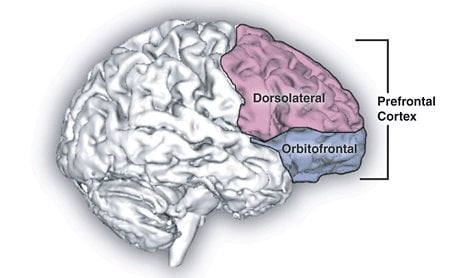
MIT researchers used light to switch off cells in rats' infralimbic cortex, a brain region in the prefrontal cortex, during every maze-training run. The rats still learned the maze, but stopped when the reward tasted bad, showing that a habit had not formed.
- WatchHow to Change Bad Habits and Become a Better You · YouTube
The video explains how to redesign a habit loop and break bad habits.
- BookAtomic Habits · Bookshop.org
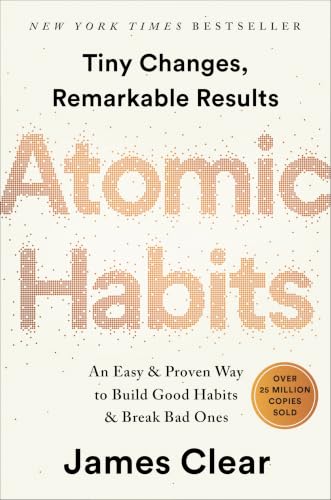
Atomic Habits by James Clear describes how people fall to the level of their systems, not rise to the level of their goals, and distills complex topics into simple behaviors for daily life and work.


Book links are Bookshop.org affiliate links. Curiate may earn a commission on purchases, at no extra cost to you — Bookshop.org also gives a share to independent bookshops.
Reading paths, built to arrive somewhere
Curiate turns what you are curious about into a short path — a quick lesson on an article, something to watch, and a book to go deep on. Free to browse.