Colonialism's Impact on Korean-Japanese Identity
The colonial rule of Korea by Japan from 1910 to 1945 left deep scars on Korean identity and culture. Systematic efforts to erase Korean heritage created a complex relationship between Koreans and their Japanese counterparts. This history continues to influence the identities of Korean-Japanese individuals today, shaping their experiences of belonging and cultural expression.
- ReadKorea under Japanese rule · Wikipedia
Details the period of Japanese colonial rule over Korea, highlighting its official designation as Chōsen and the oppressive policies enacted from 1910 to 1945.
- ReadRacism in Japan · Wikipedia
Describes the pervasive racism in Japan, detailing discriminatory laws and attitudes that have historically marginalized various ethnic groups, including Koreans.
- WatchThe Untold Story Of Japan's Cultural Genocide in Korea: How Japan Tried To Erase A Nation · YouTube
Examines Japan's systematic attempt to erase Korean identity through harsh colonial policies, including language bans and forced name changes, while showcasing Korean resilience and cultural preservation efforts.
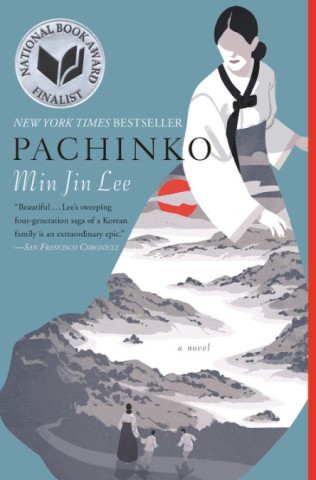
- BookPachinko · Bookshop.org
Follows the journey of a Korean family across generations, starting with Sunja's unplanned pregnancy and her subsequent marriage to a minister, illustrating the struggles of identity and belonging in a foreign land.

Each piece in this curation examines different facets of the colonial experience and its lasting effects on identity. Starting with the historical context of Korea under Japanese rule, the curation progresses through the realities of racism in Japan and the cultural genocide faced by Koreans. It culminates in a narrative that personalizes these themes through the lens of a Korean family navigating their identity in Japan, illustrating the enduring impact of colonialism.
Book links are Bookshop.org affiliate links. Curiate may earn a commission on purchases, at no extra cost to you — Bookshop.org also gives a share to independent bookshops.
Reading paths, built to arrive somewhere
Curiate turns what you are curious about into a short path — an entry point, something to watch, and the key book on the topic. Free to browse.