Copyright vs. Creativity: Who Owns the Song?
This curation examines the intricate relationship between copyright laws and artistic expression in the music industry. It reveals how legal frameworks can both empower and constrain creativity, prompting a critical look at the rights of artists. Readers will explore the ongoing debate over ownership and its implications for musical innovation.
- ReadCopyright · Wikipedia
Defines copyright as a legal right that protects the original expression of creative works, including music, for a limited time. It specifies that copyright safeguards the expression but not the underlying ideas, emphasizing the distinction between creativity and ownership.
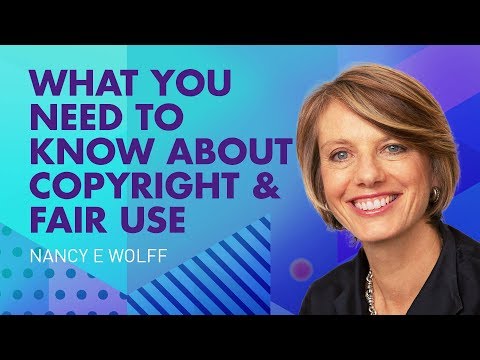
- WatchFair Use & Copyright Laws For Artists · YouTube
Explains the nuances of fair use in copyright law, detailing how artists can legally use copyrighted material for purposes like critique and parody. Attorney Nancy E. Wolff clarifies that misuse can lead to legal consequences, underscoring the importance of understanding these laws.
- BookThe Song Machine: Inside the Hit Factory · Bookshop.org
Investigates the intersection of creativity, commerce, and copyright in the music industry, revealing how legal frameworks shape the production of popular music. John Seabrook discusses the influence of commercial interests on artistic expression, illustrating the challenges faced by contemporary musicians.

The selected pieces collectively illuminate the tensions between copyright and creativity, starting with foundational definitions and leading to specific legal interpretations. The progression from general principles to practical examples highlights the complexities artists face in navigating copyright laws. Concluding with a comprehensive exploration of the modern music industry's dynamics, the curation provides a thorough understanding of the topic.
Book links are Bookshop.org affiliate links. Curiate may earn a commission on purchases, at no extra cost to you — Bookshop.org also gives a share to independent bookshops.
Reading paths, built to arrive somewhere
Curiate turns what you are curious about into a short path — an entry point, something to watch, and the key book on the topic. Free to browse.