Individual Savings and Economic Downturns
Individual savings can paradoxically lead to a decrease in aggregate demand, ultimately harming the economy. While saving is beneficial for individuals, collective saving can result in reduced overall savings due to decreased economic activity. This tension raises critical questions about the balance between personal financial health and broader economic stability. Understanding this paradox is essential for navigating economic cycles and policy decisions.
- ReadParadox of thrift · Wikipedia
Defines the paradox of thrift, illustrating how increased saving can lead to decreased aggregate demand and overall economic output. It highlights the fallacy of composition, where individual actions contradict collective outcomes.
- ReadIt Might Take a Recession to Slow Down the Consumer - A Wealth of Common Sense · A Wealth of Common Sense
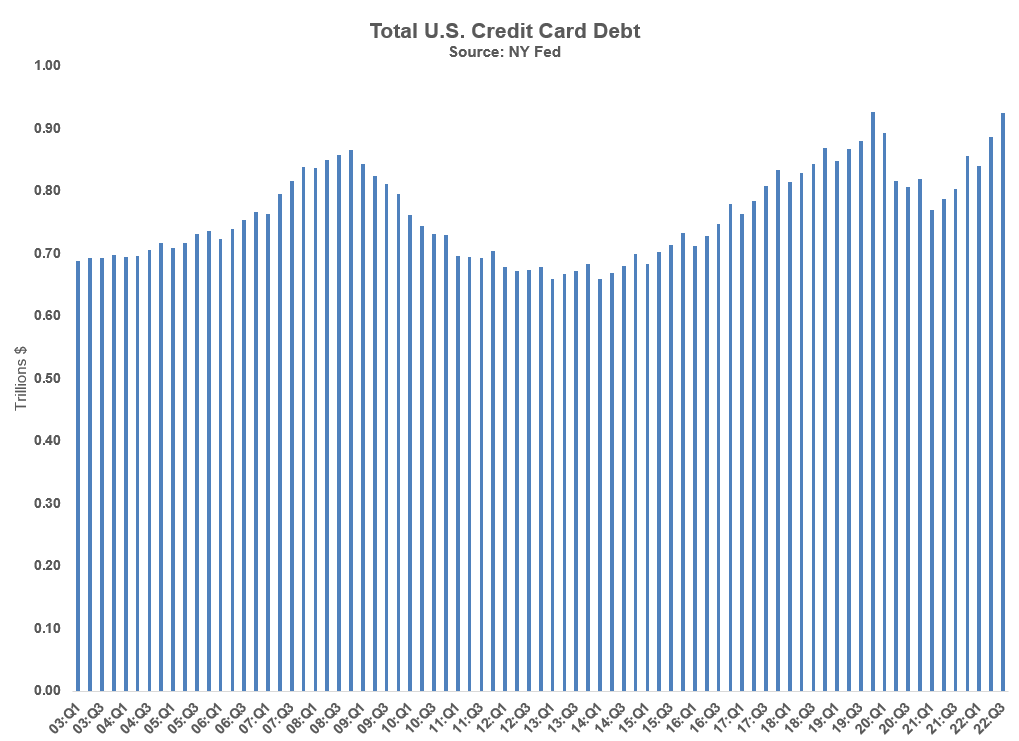
Analyzes recent consumer behavior trends, showing how personal savings rates surged during the pandemic, only to decline as credit card debt rises. This shift underscores the cyclical nature of saving and spending in economic contexts.
- WatchParadox of Thrift · YouTube
Explores the relationship between private sector savings and economic health, emphasizing how collective saving can negatively impact the economy. It references Keynes' insights on government deficits and trade surpluses as mechanisms for enabling savings.
- BookThe General Theory of Employment, Interest, and Money · Bookshop.org
Presents foundational economic theories on employment and interest, reshaping the understanding of economic cycles. Keynes argues for the necessity of government intervention to stabilize economies during downturns.


The selected pieces collectively illustrate the complexities of the paradox of thrift, beginning with a foundational definition and expanding into real-world implications. The progression from theoretical concepts to practical examples and historical context provides a comprehensive understanding of how individual behaviors can impact the economy. Each piece builds upon the last, culminating in Keynes' seminal work, which offers a deeper exploration of economic principles and government roles. Together, they create a cohesive narrative that challenges conventional wisdom about saving and growth.
Book links are Bookshop.org affiliate links. Curiate may earn a commission on purchases, at no extra cost to you — Bookshop.org also gives a share to independent bookshops.
Reading paths, built to arrive somewhere
Curiate turns what you are curious about into a short path — an entry point, something to watch, and the key book on the topic. Free to browse.