Forced isolation in life in a leper colony in Hawaii
Life in a leper colony in Hawaii began with a community established in the 1870s to support the colony; the legislature required people with severe cases to be quarantined on the island in the hope of preventing contagion.
2 articles, 1 book · about 20 min of reading and viewing
The reading path
- Readlife in a leper colony in hawaii · Wikipedia · 8 min read
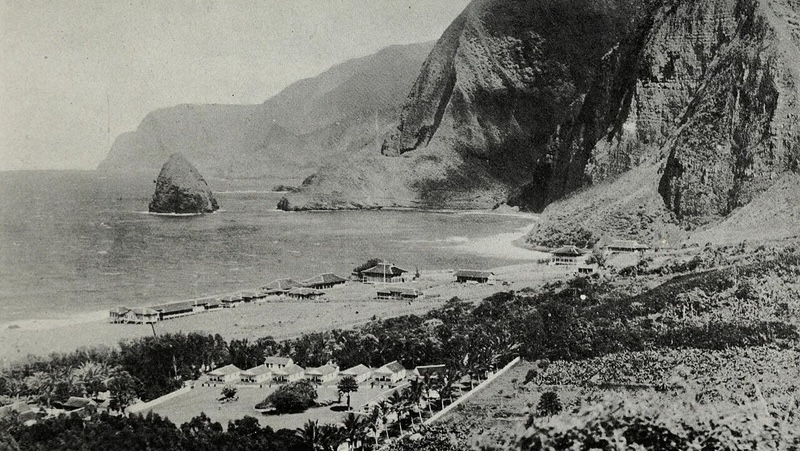
Kalaupapa Peninsula could be entered only by boat or down the Kalaupapa Pali trail until the Kalaupapa Airport was constructed in 1935, during a period when people with leprosy were quarantined there because the disease was believed to be highly contagious. For life in Kalaupapa, the 3.5-mile (5.6 km) Kalaupapa Pali Trail is the only land access into Kalaupapa. It consists of 26 switchbacks and climbs 2,000 feet (610 m). The Kalaupapa Pali Trail, the land route into Kalaupapa, has been closed multiple times because of rockfall and landslides. Historically, its second switchback has been the most prone to landslides and washouts, and a bridge there was destroyed in December 2018 before the trail reopened in March 2020 with a composite-material bridge.
- ReadHow Leprosy Was Used as a Weapon Against Hawaii's Indigenous Population · Literary Hub · 12 min read
For life in Hawaii's leper colony, American doctor Chris O'Day, who had been physician to Liliuokalani, claimed that dozens were spuriously diagnosed after refusing to sell their land to sugar farmers. Once shipped to Molokai, they had no access to legal remedy, and businessmen would seize their land.
- BookMolokai · Bookshop.org
Molokai by Alan Brennert describes Rachel being sent to Kalaupapa, where she must forge an existence among other patients; resilience and mutual aid help her face uprooting, ostracism, and loss.


Book links are Bookshop.org affiliate links. Curiate may earn a commission on purchases, at no extra cost to you — Bookshop.org also gives a share to independent bookshops.
Reading paths, built to arrive somewhere
Curiate turns what you are curious about into a short path — a quick lesson on an article, something to watch, and a book to go deep on. Free to browse.