From social conscience to Les Misérables: Victor Hugo's life
Victor Hugo's life and the making of Les Misérables concern a French Romantic author's life and the creation of his 1862 novel. The lessons answer how his concern for social injustice shaped the work, and help readers understand the path from social conscience to literary creation.
2 articles, 1 book · about 48 min of reading and viewing
The reading path
- ReadVictor Hugo's life and the making of Les Misérables · Wikipedia · 46 min read
Victor Hugo published Claude Gueux, a documentary short story about a real-life murderer who had been executed in France, in 1834. Hugo later considered it a precursor to his great work on social injustice, Les Misérables. Victor Hugo settled with his family at Hauteville House in Saint Peter Port, Guernsey, where he lived in self-imposed exile from October 1855 until 1870. During his Guernsey exile, he composed or published some of his best work, including Les Misérables. Victor Hugo believed himself to have been conceived on 24 June 1801, which is the origin of Jean Valjean's prisoner number 24601 in Les Misérables.
- Read3 avril 1862 - Publication des Misérables - Herodote.net · herodote.net · 2 min read
Victor Hugo devoted himself to poetry after 1830 and rose to the highest levels of glory, while remaining concerned with the plight of the humblest and social injustice. With Les Misérables, his glory would reach a planetary scale previously unknown in literature.
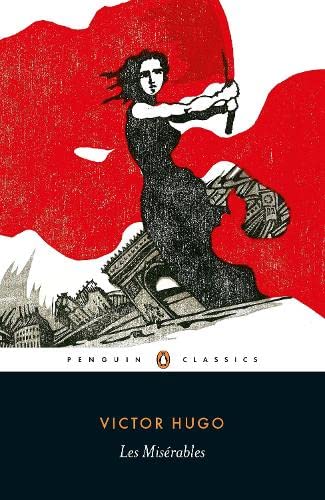
- BookLes Misérables · Bookshop.org
Les Misérables by Victor Hugo follows Jean Valjean's promise to protect Fantine's baby daughter, driven to prostitution by poverty; these characters and circumstances show how the tale connects injustice, heroism and love.

Book links are Bookshop.org affiliate links. Curiate may earn a commission on purchases, at no extra cost to you — Bookshop.org also gives a share to independent bookshops.
Reading paths, built to arrive somewhere
Curiate turns what you are curious about into a short path — a quick lesson on an article, something to watch, and a book to go deep on. Free to browse.