How intuition and bias shape choices in psychology of decision making
Psychology of decision making is the study of how people choose beliefs or actions from possible alternatives, based on assumptions about values, preferences, and beliefs. This path helps readers understand the thinking involved in making choices and how people reason about them.
2 articles, 1 video, 1 book · about 51 min of reading and viewing
The reading path
- Readpsychology of decision making · Wikipedia · 38 min read
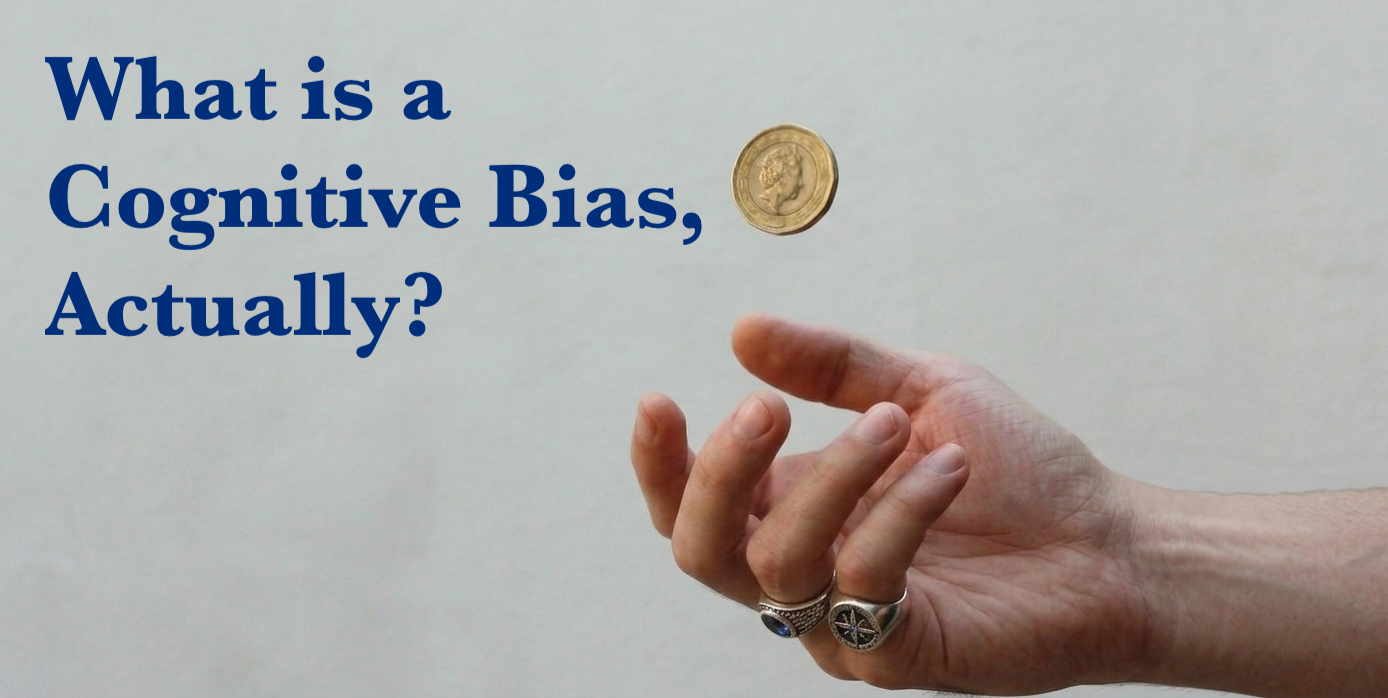
Psychologist Daniel Kahneman theorizes that decision-making results from an interplay between an automatic intuitive system, "System 1," and an effortful rational system, "System 2." System 1 is fast and implicit, while System 2 is slow and explicit. Decision fatigue occurs when a sizable amount of decision-making leads to a decline in decision-making skills. Impulsive decisions are made more often when a person is tired of analysis, linking decision fatigue to choices made by acting rather than thinking. Analysis paralysis is when people get stuck going over information again and again for fear of making the wrong decision.
- ReadThe Biases of the Biases - 3 Quarks Daily · 3 Quarks Daily · 10 min read
Loss aversion is when losing something hurts roughly twice as much as gaining it feels good. When patients were offered surgery framed as having a 90% survival rate, they chose it; when it was framed as having a 10% mortality rate, they hesitated.
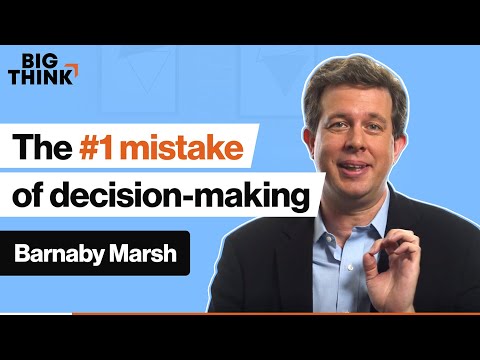
- WatchThis is the biggest decision-making mistake | Barnaby Marsh | Big Think · YouTube · 3 min watch
Barnaby Marsh, an expert on risk-taking, explains why decision makers need adequate information and must consider context and possible outcomes. He argues that failing to update and reframe knowledge as environments change is a major decision-making mistake, highlighting how people's judgments can be affected by outdated expertise.
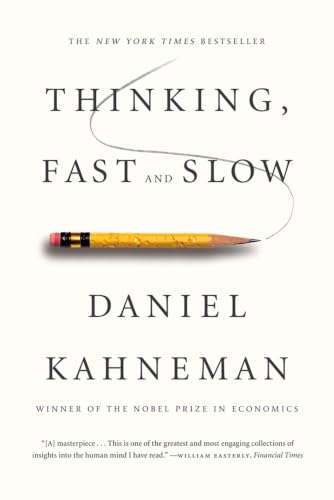
- BookThinking, Fast and Slow · Bookshop.org
Thinking, Fast and Slow is a 2011 popular science book by the Israeli-American psychologist Daniel Kahneman. Its main thesis is a differentiation between two modes of thought: "System 1" is fast, instinctive and emotional; "System 2" is slower, more deliberative, and more logical.
Book links are Bookshop.org affiliate links. Curiate may earn a commission on purchases, at no extra cost to you — Bookshop.org also gives a share to independent bookshops.
Reading paths, built to arrive somewhere
Curiate turns what you are curious about into a short path — a quick lesson on an article, something to watch, and a book to go deep on. Free to browse.