Why consumer behavior defies rational models
Consumer behavior is the study of people, groups, and organisations and the activities involved in buying, using, and disposing of goods and services. It explores how emotions, attitudes, preferences, and outside cues shape buying choices, helping readers understand the influences behind everyday decisions. The path covers how people make choices and how those choices can differ from traditional models of rational decision-making.
2 articles, 1 video, 1 book · about 3 hr 20 min of reading and viewing
The reading path
- Readconsumer behavior · Wikipedia · 60+ min read
In consumer behavior, research suggests that consumers place higher weightings on immediate affective rewards and punishments, while delayed rewards receive less weighting. For instance, the immediate pleasure of eating a sweet treat often outweighs the longer term benefits of eating a healthy alternative such as fruit. Consumers typically first carry out an internal search, scanning memory for suitable brands. This search produces an evoked set of some 3- 5 alternatives. During the COVID-19 pandemic, panic buying of necessities such as food and hygiene products increased across the globe. Consumers bought more than usual amid fear, anxiety and uncertainty, and purchases tended to be excessive in relation to the perceived threat, offering a sense of control despite losses of control in social, professional and health environments.
- ReadFrontiers | The Consumer Contextual Decision-Making Model · Frontiers · 57 min read
Traditional consumer decision-making models assume people explicitly reason across all options and choose the best available option, despite consumers' often limited ability to assess the sheer number of consumption opportunities.
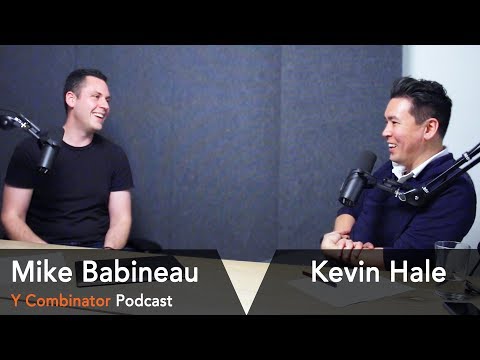
- WatchAnalyzing Billions of Transactions to Understand Consumer Behavior - Michael Babineau and Kevin Hale · YouTube · 56 min watch
Michael Babineau is cofounder and CEO of Second Measure, which analyzes billions of credit card transactions to answer real-time questions on consumer behavior. The video features Babineau and Kevin Hale discussing Second Measure and its work.
- BookPredictably Irrational · Bookshop.org
Predictably Irrational by Dan Ariely argues that misguided behaviors are neither random nor senseless, and explains how to break through systematic patterns of thought to make better decisions, from buying a car to choosing a romantic partner.



Book links are Bookshop.org affiliate links. Curiate may earn a commission on purchases, at no extra cost to you — Bookshop.org also gives a share to independent bookshops.
Reading paths, built to arrive somewhere
Curiate turns what you are curious about into a short path — a quick lesson on an article, something to watch, and a book to go deep on. Free to browse.