Generational Conflict at the 1968 Democratic National Convention
The 1968 Democratic National Convention serves as a pivotal moment in American history, revealing profound generational divides. Through protests and political clashes, the event highlighted the tensions between traditional party delegates and a new wave of activist youth. Readers will gain insight into the cultural upheaval of the era and its lasting impact on American politics.
- Read1968 Democratic National Convention · Wikipedia
Traces the events of the 1968 Democratic National Convention, detailing its location and purpose in selecting a new presidential nominee. The convention took place from August 26 to 29 in Chicago, Illinois, after President Lyndon B. Johnson announced he would not seek reelection.
- ReadThe Activist Students of 1960s East Los Angeles - JSTOR Daily · JSTOR Daily
Follows the East Los Angeles School Blowouts, where over 10,000 students protested for educational reform starting on March 1, 1968. These protests were primarily led by Chicano students advocating for better conditions in their schools.
- Watch1968 Riots at the Democratic National Convention in Chicago | Flashback | History · YouTube
Shows the chaotic scenes of the 1968 Democratic National Convention, where police clashed with anti-war protestors in the streets of Chicago. The event is remembered as a significant cultural and political watershed moment during the Vietnam Era.
- BookThe Sixties: Years of Hope, Days of Rage · Bookshop.org
Presents a compelling narrative of the 1960s' cultural upheaval, highlighting the 1968 Democratic National Convention as a crucial turning point. The book examines the broader implications of the era's activism and the intense ideological battles within the Democratic Party.
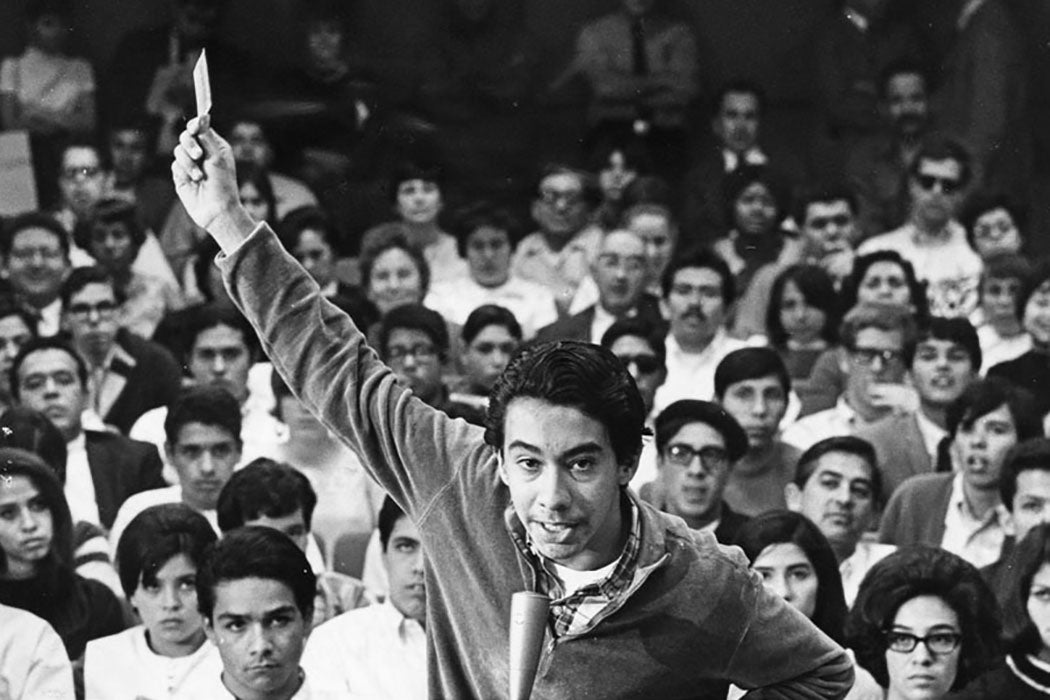


These pieces collectively illustrate the multifaceted nature of the 1968 Democratic National Convention and the generational conflict that defined it. Starting with a factual overview, the curation progresses through specific activist movements, visual documentation of the chaos, and culminates in a comprehensive narrative that contextualizes these events within the broader cultural landscape of the 1960s. Each piece builds upon the last, offering a layered understanding of a transformative moment in American history.
Book links are Bookshop.org affiliate links. Curiate may earn a commission on purchases, at no extra cost to you — Bookshop.org also gives a share to independent bookshops.
Reading paths, built to arrive somewhere
Curiate turns what you are curious about into a short path — an entry point, something to watch, and the key book on the topic. Free to browse.