History of exploration through firsthand encounters
History of exploration is the history of the process of exploring, an activity with some expectation of discovery. What can firsthand encounters and their records reveal about unfamiliar places and people? By the end, readers will understand how movement, observation, documentation, and later interpretation can deepen or revise knowledge of the world.
2 articles, 1 book
The reading path
- Readhistory of exploration · Wikipedia
About 14,000 years ago, some people crossed the Ice Age land bridge from Siberia to Alaska and moved southwards to settle in the Americas. This was one example of the first era of geographical exploration, when people moved out of Africa, settled in new lands, and developed distinct cultures in relative isolation; generally, these cultures were ignorant of each other's existence. Less than 10% of the ocean has been mapped in any detail, and even less has been visually observed. Underwater exploration can involve direct observation or remote measurement, but systematic surveys, recording, interpretation, and publication are presented as the most effective way to deepen understanding-showing how firsthand encounters and their documentation can reveal what remains unknown. Urban exploration is the exploration of manmade structures, usually abandoned ruins or hidden components of the manmade environment. Photography and historical interest/documentation feature heavily in the hobby, sometimes involving trespassing onto private property, making it a firsthand encounter with places and their histories.
- BookIn Patagonia · Bookshop.org
Antonio Pigafetta, a chronicler of Magellan's expedition, claimed that people encountered there stood nine to twelve feet tall, helping make "Patagonian giants" the main European perception of the region. A 1767 account of Commodore John Byron's voyage seemed to confirm the story, but journals published in 1773 showed that the people encountered were no taller than 6 feet, 6 inches: firsthand reports could shape-and later correct-Europe's picture of Patagonia.
- ReadPatagonia - New World Encyclopedia · newworldencyclopedia.org
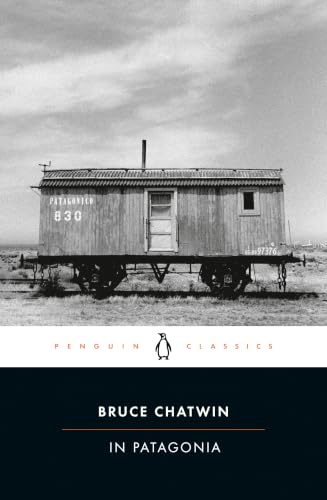
In Patagonia by Bruce Chatwin describes European exploration and settlement alongside Patagonia's landscape, wildlife, and the fate of its native inhabitants, bringing these historical subjects together for readers considering the history of exploration.
Book links are Bookshop.org affiliate links. Curiate may earn a commission on purchases, at no extra cost to you — Bookshop.org also gives a share to independent bookshops.
Reading paths, built to arrive somewhere
Curiate turns what you are curious about into a short path — a quick lesson on an article, something to watch, and a book to go deep on. Free to browse.