A 19th-century naturalist's journeys, collections, and research
The life of a 19th century naturalist concerns a person who studies natural history, the observational study of organisms in their natural environment. How did travel, collecting, shared records, and local assistance shape naturalists' work? The lessons show how natural history developed through exploration, collaboration, collections, and research.
2 articles, 1 book
The reading path
- Readthe life of a 19th century naturalist · Wikipedia
Henry Walter Bates, Charles Darwin, and Alfred Russel Wallace each spent years on natural history travels, collecting thousands of specimens, many new to science, and writing about remote regions. Their work helped shift biology from a descriptive to a theory-based science; Alexander von Humboldt's writings and research, which traced nature as "an organism and not as a mechanism," were a seminal influence on Darwin and others. Natural history societies kept records across fields from birds and insects to fungi and plants, and their growth was spurred by British colonies in tropical regions, where numerous new species awaited discovery. Many civil servants sent specimens from their new surroundings to museums in the Britain; later, professional societies supported natural history observations through journal sections such as "Natural History Field Notes" of Biotropica and "The Scientific Naturalist" of Ecology. Particularly in the 19th century, scientists used natural history collections to teach advanced students and conduct morphological research, connecting naturalists' journeys and discoveries with biological research. Natural history museums, which evolved from cabinets of curiosities, played an important role in the emergence of professional biological disciplines and research programs.
- ReadAli: Alfred Russel Wallace's Right-Hand Gun - JSTOR Daily · JSTOR Daily
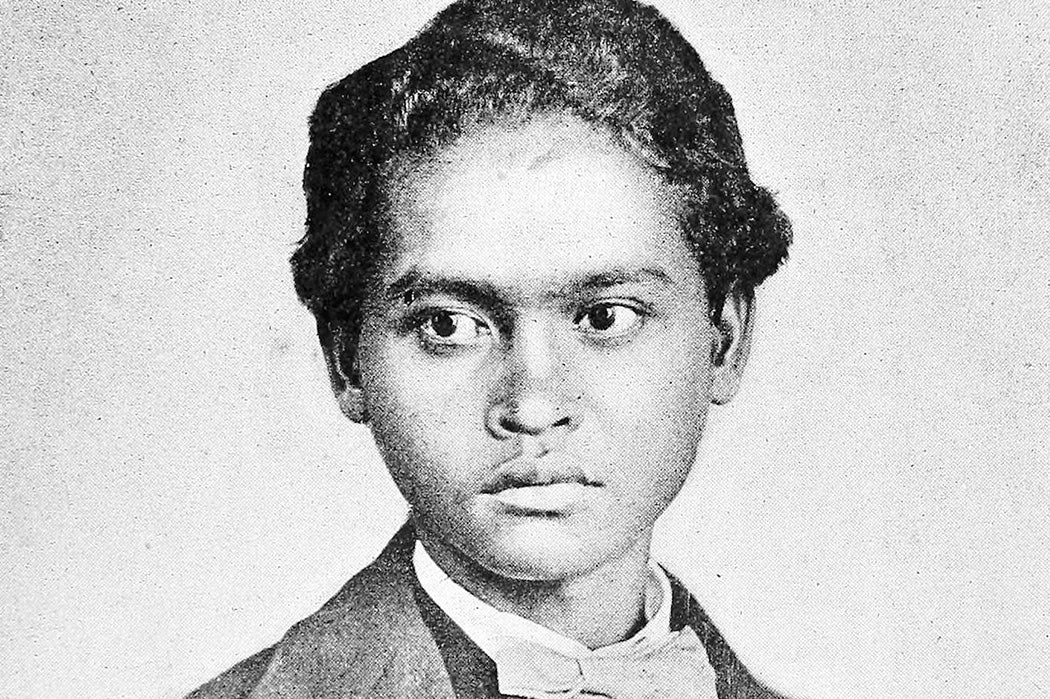
Ali collected approximately 5,000 of the birds in Wallace's collection, and scholars John van Wyhe and Gerrell M. Drawhorn place Wallace's achievements in the context of local help and colonial networks. Wallace wrote that Ali learned to shoot and prepare birds; one he shot on Batchian in October 1858 was an unknown species eventually named Semioptera wallacii, or Wallace's Standard Wing. Tradition credited an expedition's leader, not an assistant like Ali, as collector.
- BookThe Naturalist · Bookshop.org
The Naturalist by Diane Ackerman examines Bates's Amazon travels and natural-history collections, then describes how his arrival in Pará led him to learn about the country's people and natural history.

Book links are Bookshop.org affiliate links. Curiate may earn a commission on purchases, at no extra cost to you — Bookshop.org also gives a share to independent bookshops.
Reading paths, built to arrive somewhere
Curiate turns what you are curious about into a short path — a quick lesson on an article, something to watch, and a book to go deep on. Free to browse.