Microbiome research and microbial interactions
Microbiome research studies communities of microorganisms living together in a habitat, with new techniques and equipment boosting research and shifting understanding of health and disease. These lessons answer how microbial communities work together and what their connections mean for the systems they inhabit. They build understanding of how interactions shape communities and how researchers study them.
2 articles, 1 book
The reading path
- Readmicrobiome research · Wikipedia
The herbivore cichlid network has 156 nodes and 339 edges, compared with 21 nodes and 70 edges in the carnivore network. This contrast shows how microbial communities can differ in their patterns of association, while microbial interactions can affect fitness, population dynamics, and functional capacities. Secondary metabolites is compounds involved in interactions between organisms. Pairwise interactions between the soil bacteria Bacillus subtilis and Streptomyces spp. are well-suited for characterizing their functions in microbial interactions.
- ReadGuess What? You're a Superorganism. - JSTOR Daily · JSTOR Daily
Microbiome studies examine links to obesity, diabetes, intestinal disorders, wound/poison recovery, autism, and numerous other conditions, and find that some illnesses result not from too many bad bacteria but from too few good ones. Helpful bacteria interact with body systems, and the microbiome may be so essential that some researchers are considering a new definition for animals: "superorganisms," bodies understood as ecosystems of interconnected human and non-human parts.
- BookI Contain Multitudes: The Microbes Within Us and a Grander View of Life · Bookshop.org
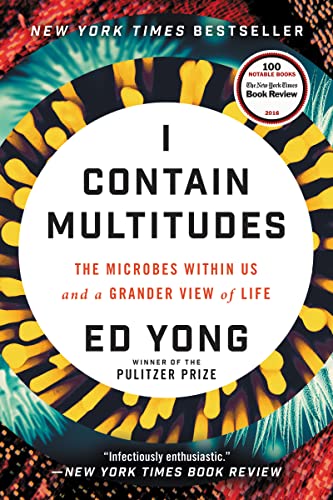
I Contain Multitudes by Ed Yong describes how microbes help animals digest plants, provide squids with invisibility cloaks, and allow worms to cause diseases that afflict millions of people.


Book links are Bookshop.org affiliate links. Curiate may earn a commission on purchases, at no extra cost to you — Bookshop.org also gives a share to independent bookshops.
Reading paths, built to arrive somewhere
Curiate turns what you are curious about into a short path — a quick lesson on an article, something to watch, and a book to go deep on. Free to browse.