How addiction and recovery approaches treatment
Addiction is a persistent, intense urge to use drugs or pursue rewarding behaviors despite serious harm, and recovery usually combines medication, when effective, with psychological and social support. What helps explain addiction and guide its treatment and recovery? The lessons connect treatment, life experiences, diagnosis, brain research, and medical education to build a broader understanding of the condition.
3 articles, 1 book · about 56 min of reading and viewing
The reading path
- Readaddiction and recovery · Wikipedia · 51 min read
For opioid use disorder, opioid agonist maintenance treatment with methadone or buprenorphine is common. It retains people in treatment and suppresses illicit opioid use more effectively than placebo. Adverse childhood experiences, as defined by the Adverse Childhood Experiences Study, show a graded dose, response association with later harm. A meta-analysis pooling more than 250,000 participants found that people reporting four or more such experiences were at increased risk of every health outcome examined, with the strongest associations for problematic drug use. Diagnostic manuals differ on which behavioral addictions they classify: the DSM-5-TR classifies gambling disorder as a clinical disorder and lists internet gaming disorder for further study, while the ICD-11 classifies both gambling disorder and gaming disorder as disorders due to addictive behaviors.
- ReadStudy Sheds Light on how to Reset the Addicted Brain - Neuroscience News · Neuroscience News · 3 min read
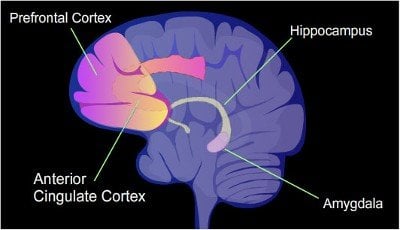
In a rat study of addiction, some rats kept pressing levers for cocaine despite a mild electric shock to the foot; researchers compared nerve cell firing in their prefrontal cortex, a brain region, and found greater deficits in the rats showing addictive behavior. Activating those brain cells with light reduced cocaine-seeking in the addicted rats.
- ReadWhat Complicates Addiction Treatment - JSTOR Daily · JSTOR Daily · 2 min read
Addiction is an ancient phenomenon, but treating it within a complex, institutional medical system is a new problem. For decades, there have been calls to reform addiction education for medical professionals.
- BookA Million Little Pieces · Bookshop.org
A Million Little Pieces by James Frey is presented as a memoir of a 23-year-old alcoholic in a twelve-step treatment center, though Frey later admitted to embellishing key details.


Book links are Bookshop.org affiliate links. Curiate may earn a commission on purchases, at no extra cost to you — Bookshop.org also gives a share to independent bookshops.
Reading paths, built to arrive somewhere
Curiate turns what you are curious about into a short path — a quick lesson on an article, something to watch, and a book to go deep on. Free to browse.