How Babe Ruth transformed baseball
Babe Ruth, born in 1895, was an American professional baseball player whose big swing drew fans, boosted baseball's popularity, and helped make home runs a major factor. The lessons answer how Ruth's power transformed baseball and help readers understand its broader effect on the sport. They trace changing ideas about how baseball should be played and what made it compelling.
3 articles, 1 video, 1 book · about 1 hr 45 min of reading and viewing
The reading path
- ReadBabe Ruth and the rise of the home run · Wikipedia · 60+ min read
Babe Ruth noticed vacancies in the Red Sox lineup and was dissatisfied with pitching every four or five days, wanting to play every day at another position. In early May, Barrow allowed him to do so, and Ruth promptly hit home runs in four consecutive games, one an exhibition. Babe Ruth hit 11 home runs in May, setting a major league record for home runs in a month, and promptly broke it with 13 in June. His transition from a pitcher to a power-hitting outfielder was complete, and fans responded with record attendance figures. Babe Ruth started a long-ball era that continues, with owners building ballparks to encourage home runs.
- ReadWhen Babe Ruth Called His Shot Against the Chicago Cubs · Literary Hub · 3 min read
In 1920, his first season with the Yankees, Babe Ruth hit 54 home runs, more than all but one team. Recognizing the power of power to put runs on the board and fill seats, management and players began to go for the home run in a way that had never happened before.
- ReadBabe Ruth's Impact on the Game of Baseball Babe Ruth Central · baberuthcentral.com · 3 min read
In Babe Ruth's rise as a home-run hitter, other players began to pay attention to his full-swing hitting technique and its significant results. Many began to use a form of Babe's swing, and more balls began to fly out of the park.
- WatchBabe Ruth had a really weird nemesis | Baseball Bits · YouTube · 13 min watch
The video covers Tommy Thevenow's role in the 1926 World Series and his later matchups with Babe Ruth, including Ruth's 714th home run.
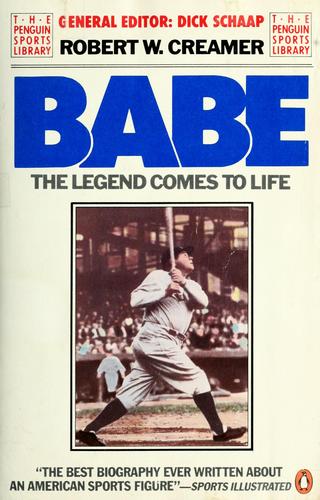
- BookBabe-the legend comes to life · Bookshop.org
Babe-the legend comes to life is a book by Robert W. Creamer, a biography that follows Babe Ruth from his early days in a Baltimore orphanage through his years with the Yankees to his later life.



Book links are Bookshop.org affiliate links. Curiate may earn a commission on purchases, at no extra cost to you — Bookshop.org also gives a share to independent bookshops.
Reading paths, built to arrive somewhere
Curiate turns what you are curious about into a short path — a quick lesson on an article, something to watch, and a book to go deep on. Free to browse.