Urban Design for Resilience in Flood-Prone Areas
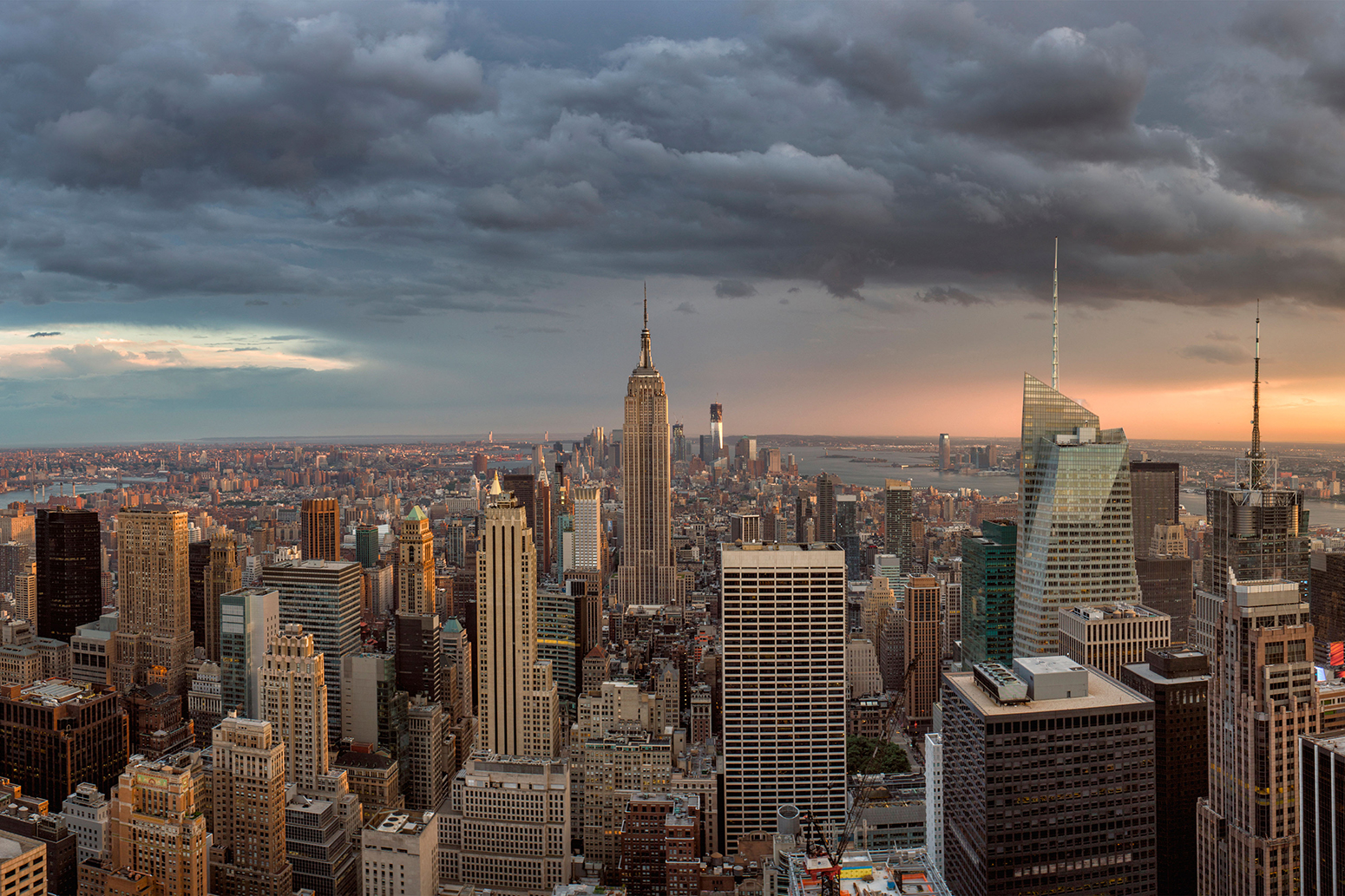
Urban resilience is crucial for cities facing the increasing threat of flooding due to climate change. Effective urban design and architecture can mitigate risks and adapt to rising sea levels, ensuring the safety and sustainability of communities. As cities like New York face the reality of more frequent floods, innovative solutions are needed to protect infrastructure and lives. Projects worldwide demonstrate how strategic planning can foster resilience in vulnerable regions.
- ReadUrban resilience · Wikipedia
Defines urban resilience as the capacity of cities to withstand and adapt to disasters, encompassing physical infrastructure and socio-economic systems.
- ReadNew York City could face damaging floods 'every five years' in a warmer climate - Carbon Brief · Carbon Brief
Reports that New York City could experience severe flooding every five years by mid-century if climate change is not addressed, highlighting the need for urgent adaptation measures.
- WatchBuilding Urban Climate Resilience in South-Eastern Africa Project · YouTube
Describes a $14 million project in South-Eastern Africa aimed at enhancing urban resilience, disaster risk reduction, and climate adaptation, benefiting around 350,000 people.
- BookNew York 2140 · Bookshop.org
Imagines a future New York City in 2140, transformed by rising waters into a network of canals and islands, showcasing human adaptability in the face of climate change.

The curation begins with a foundational understanding of urban resilience, setting the stage for the specific challenges cities face, particularly in New York. It then highlights a significant case study from South-Eastern Africa, showcasing successful urban resilience initiatives. Finally, it culminates in a speculative narrative that imagines a future where adaptation to flooding has transformed urban life, illustrating the potential of innovative design in the face of climate change.
Book links are Bookshop.org affiliate links. Curiate may earn a commission on purchases, at no extra cost to you — Bookshop.org also gives a share to independent bookshops.
Reading paths, built to arrive somewhere
Curiate turns what you are curious about into a short path — an entry point, something to watch, and the key book on the topic. Free to browse.