How clinical psychology approaches distress and well-being
Clinical psychology uses human and behavioral science, theory, and clinical knowledge to understand, prevent, and relieve psychological distress, and to promote well-being and personal growth. Lightner Witmer opened the first psychological clinic at the University of Pennsylvania in 1896. How do assessment and psychotherapy help psychologists understand difficulties and support change? The lessons consider how clinical care is assessed, practiced, and shaped to support people.
1 article, 1 video, 1 book · about 57 min of reading and viewing
The reading path
- Readclinical psychology · Wikipedia · 41 min read
After the war, the Veterans Administration in the US made an enormous investment to set up programs to train doctoral-level clinical psychologists to help treat thousands of veterans needing care. The US went from having no formal university programs in clinical psychology in 1946 to over half of all PhDs in psychology in 1950 being awarded in clinical psychology. Clinical psychology assessments help psychologists gain insight into and form hypotheses about psychological or behavioral problems. Their results usually create generalized impressions rather than diagnoses, informing treatment planning. Clinical psychology's "clinical versus statistical prediction" debate began with Paul Meehl's 1954 exploration of the claim that mechanical, formal, algorithmic methods of combining data could outperform clinicians' subjective, informal judgments in predicting behavior. Meehl concluded that mechanical methods performed as well or better.
- WatchWhat Is Psychotherapy – and Why You Should Try It · YouTube · 16 min watch
Charlotte Fox-Weber explains what therapy is, what happens during a visit and why someone might consider it, in a conversation with Alain de Botton.
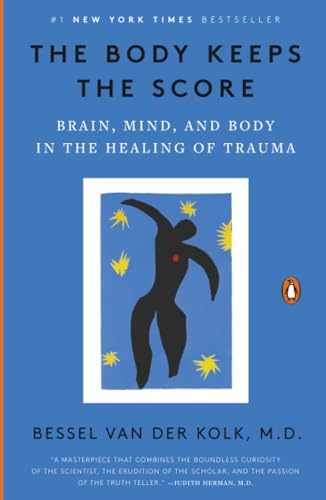
- BookThe Body Keeps the Score · Bookshop.org
The Body Keeps the Score by Bessel van der Kolk uses recent scientific advances to show how trauma reshapes body and brain, and explores treatments such as neurofeedback, meditation, sports, drama, and yoga that offer paths to recovery.


Book links are Bookshop.org affiliate links. Curiate may earn a commission on purchases, at no extra cost to you — Bookshop.org also gives a share to independent bookshops.
Reading paths, built to arrive somewhere
Curiate turns what you are curious about into a short path — a quick lesson on an article, something to watch, and a book to go deep on. Free to browse.