How positive psychology builds everyday happiness
Positive psychology is the scientific study of conditions and processes that support positive states, well-being, positive relationships, and positive institutions, and became more widespread as a new domain in 1998 when Martin Seligman chose it as the national convention theme. The lessons answer how everyday practices can contribute to greater happiness and well-being. They connect personal habits with engagement, relationships, and meaning.
2 articles, 1 video, 1 book · about 1 hr 20 min of reading and viewing
The reading path
- Readpositive psychology · Wikipedia · 59 min read
In one positive psychology experiment, participants spent six weeks on planned activities: performing acts of kindness, or counting their blessings as a gratitude practice. Those who took part reported higher happiness and well-being than those who took part in neither. Flow, studied by Csikszentmihalyi, is a state of absorption in which one's abilities are well matched to the demands at hand. It is intrinsically rewarding and can also help achieve goals or improve skills. The Character Strengths and Virtues (CSV) handbook (2004) was Seligman and Peterson's first attempt to identify and classify positive psychological traits of human beings. For positive psychology, it identified six classes of virtues underlying 24 measurable character strengths.
- Read"Happiness and Positive Psychology" · aipc.net.au · 14 min read
The good life is considered to involve investing signature strengths, meaning personal strengths and qualities, and virtues, qualities associated with strengths, in relationships, work and leisure, and applying the best of oneself during challenging activities. Positive psychology suggests that combining the good life with pleasure and meaning would constitute authentic and stable happiness.
- WatchUnderstand these 4 key concepts for a happier life | Arthur Brooks · YouTube · 7 min watch
Arthur Brooks, author and Harvard professor, explains how enjoyment, satisfaction and meaning contribute to happiness, and discusses faith, family, friendship and meaningful work.
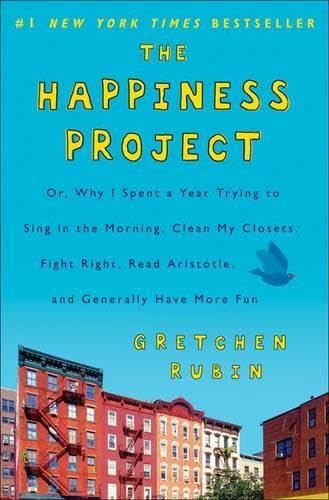
- BookThe Happiness Project · Bookshop.org
The Happiness Project by Gretchen Rubin describes her realization that "The days are long, but the years are short," prompted by an epiphany on a city bus.


Book links are Bookshop.org affiliate links. Curiate may earn a commission on purchases, at no extra cost to you — Bookshop.org also gives a share to independent bookshops.
Reading paths, built to arrive somewhere
Curiate turns what you are curious about into a short path — a quick lesson on an article, something to watch, and a book to go deep on. Free to browse.