How meaningful action can help build happiness
Psychology of happiness concerns happiness, a complex mental state of positive feelings, closely linked to well-being and life satisfaction. What kinds of meaningful action and connection can help build happiness, and how can we understand their role in well-being? The lessons consider how purposeful activity and relationships shape the pursuit of happiness.
2 articles, 1 video, 1 book · about 1 hr 9 min of reading and viewing
The reading path
- Readpsychology of happiness · Wikipedia · 53 min read
Psychologist Robert Emmons found that when humans pursue meaningful projects and activities without primarily focusing on happiness, happiness often results as a by-product. A study of adults aged 55 and older found that people who volunteered for two or more organizations had a 63% lower likelihood of dying during the four-year study period. Volunteerism and helping behavior have been shown to improve mental health, physical health, and longevity, attributable to the activity and social integration they encourage.
- ReadIs Social Connection the Best Path to Happiness? · Greater Good Magazine · 2 min read
People who wrote down at least one social strategy tended to follow through and spend more time socializing that year, and they became more satisfied with their lives. People who focused on individual goals didn't improve their life satisfaction over the year, and connecting with others might be inherently more rewarding.
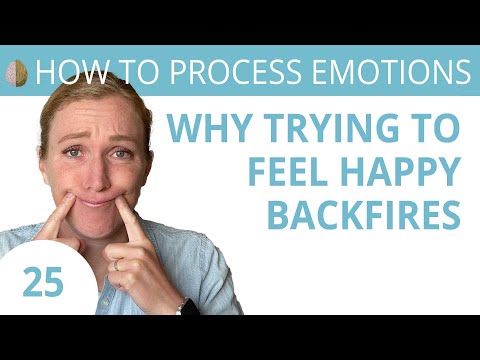
- WatchWhy Trying to Feel Happy Backfires: Purpose vs. Happiness- 25/30 How to Process Emotions · YouTube · 14 min watch
Emma McAdam explains why chasing happiness can backfire and how focusing on purpose, direction, and values can lead to fulfillment.
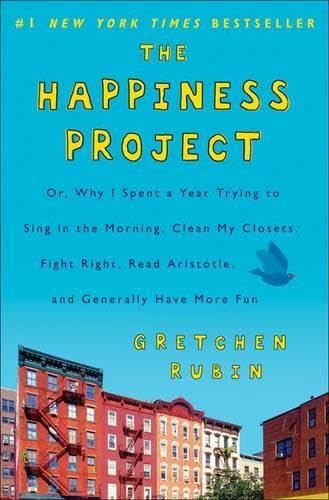
- BookThe Happiness Project · Bookshop.org
The Happiness Project by Gretchen Rubin describes how Rubin had an epiphany one rainy afternoon on a city bus: "the days are long, but the years are short," she realized.


Book links are Bookshop.org affiliate links. Curiate may earn a commission on purchases, at no extra cost to you — Bookshop.org also gives a share to independent bookshops.
Reading paths, built to arrive somewhere
Curiate turns what you are curious about into a short path — a quick lesson on an article, something to watch, and a book to go deep on. Free to browse.