Men's health, well-being and experiences of care
Men's health is men's physical, mental, and social well-being, not merely the absence of disease, and men may be more likely to make risky choices and less likely to seek care. What can we understand about the ways masculinity and connection shape men's health? The lessons consider how these themes relate to mental well-being, fatherhood, and experiences of care.
3 articles, 1 book · about 26 min of reading and viewing
The reading path
- Readmen's health issues · Wikipedia · 17 min read
Identifying warning signs is important for reducing suicide rates worldwide, particularly for men, because distress may be hard to discern. Depression and suicidal thoughts may manifest as anger, hostility, and irritability. Fathers experience stress shortly before and after birth, with stress levels tending to increase from the prenatal period until birth and then decrease later in the postnatal period. Worldwide, men died by suicide at a ratio of 1.8:1 per woman in 2016, according to the World Health Organization. The disparity varies greatly between countries, and pressures from traditional gender roles and men's socialization are among the factors that contribute to it.
- ReadIs the Drive to Be Masculine Hurting Your Mental Health? · Greater Good Magazine · 6 min read
The study found that, among men, only three of the 11 dimensions seem substantially, negatively related to mental health: "self-reliance," "playboy," and "power over women." "Self-reliance" may cut men off from social connection, while "playboy" and "power over women" are associated with hostility toward women; "playboy" is also associated with hostility to gay men.
- ReadHow does prostate cancer treatment affect mental health? - Harvard Health · Harvard Health Blog · 3 min read
Prostate cancer survivors commonly struggle with loss of masculine self-esteem and changes in body image, even as doctors manage side effects and many men recover to some degree. Many survivors describe feeling rushed into treatment decisions without enough up-front discussion of potential side effects, leading to regrets or second-guessing later on.
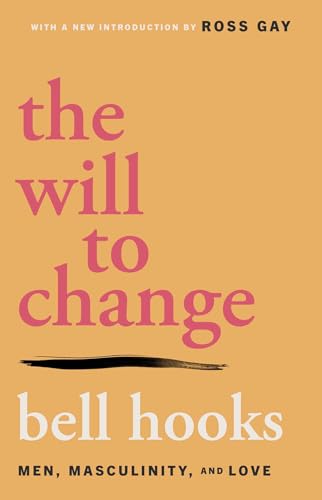
- BookThe Will to Change: Men, Masculinity, and Love · Bookshop.org
The Will to Change by bell hooks analyzes patriarchal stereotypes of masculinity and their effects, then presents reflective, constructive ideas for alternative images of masculinity.


Book links are Bookshop.org affiliate links. Curiate may earn a commission on purchases, at no extra cost to you — Bookshop.org also gives a share to independent bookshops.
Reading paths, built to arrive somewhere
Curiate turns what you are curious about into a short path — a quick lesson on an article, something to watch, and a book to go deep on. Free to browse.