How colonial rule reshaped African trade
Colonialism's impact on African economies is often described through explanations of poverty, obscuring achievements by African farmers, traders and states, including better food security and periods of economic growth. These lessons answer how colonial rule reshaped African trade, and help readers understand its effects on African economies. They trace how trade changed across colonial and post-colonial times.
2 articles, 1 video, 1 book · about 41 min of reading and viewing
The reading path
- Readthe impact of colonialism on african economies · Wikipedia · 27 min read
Colonial powers used taxes paid in official currency as one method to urge native populations into market activity. This made subsistence farming less feasible because producers needed to sell some surplus to obtain the currency for taxes. Railway projects were important in mining districts from the late 19th century, and large railway and road projects characterize that period. Railroads were emphasized in the colonial era, and roads in 'post-colonial' times; Jedwab & Storeygard find strong correlations between transportation investments and economic development in 1960 to 2015. Before colonial rule, Bantu language-speaking people of Zimbabwe and Southern Africa developed extensive overseas trade with lands as far away as China and India, receiving porcelain, beads, and Persian and Arab pots. They traded domesticated beef, iron, and ivory and gold.
- ReadScramble for Africa: How European Empires Took Over a Continent · World History Encyclopedia · 9 min read
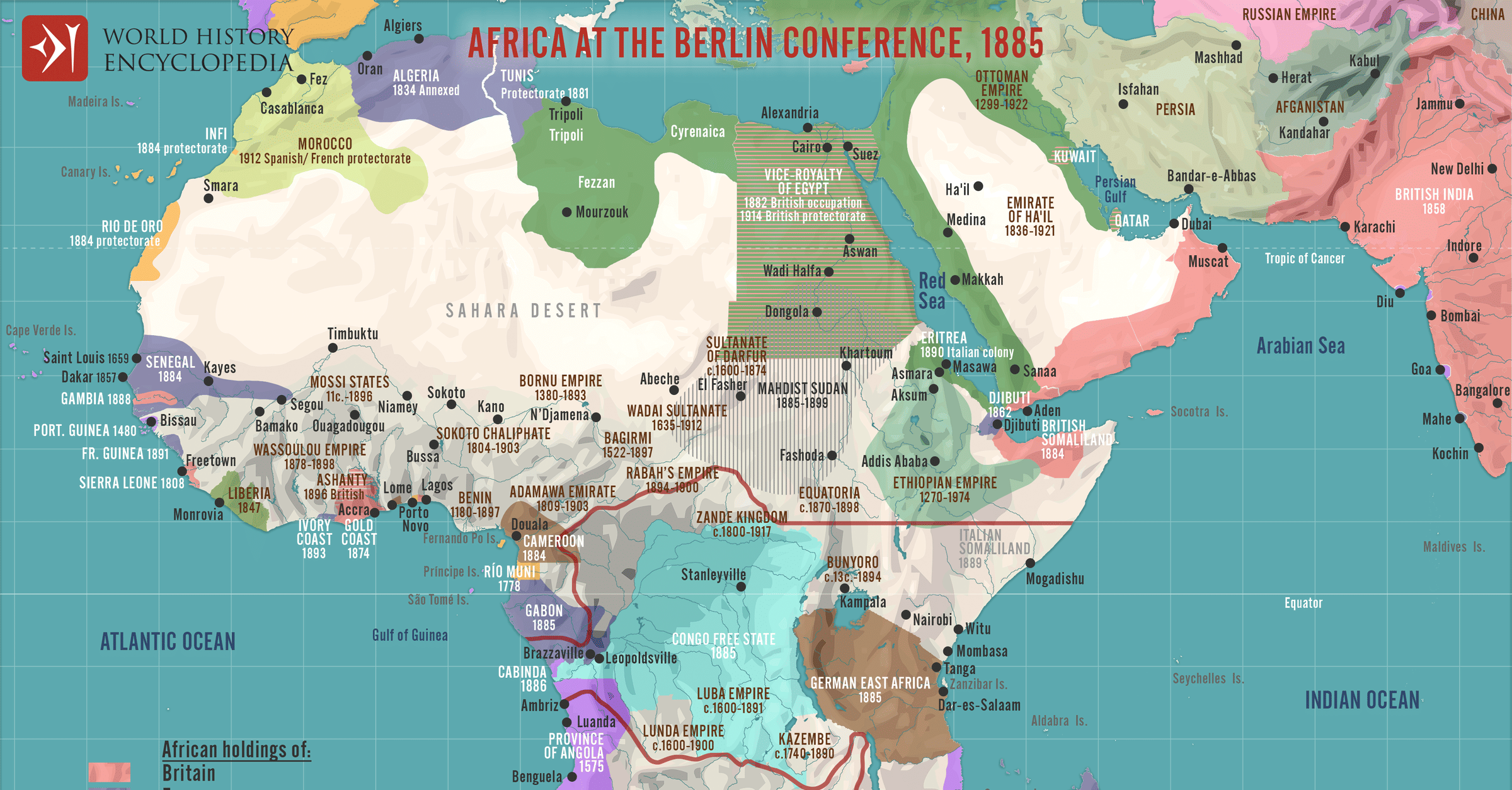
The Scramble for Africa was competition between European imperial powers to control trade and then territory in Africa in the final two decades of the 19th century. It left damaging divisions between local peoples and traditional trade networks. Access to Africa's natural resources and its peoples as a source of slaves had traditionally been restricted to coastal areas and African middlemen who traded with the interior. Developments in medicine, like quinine, which prevented some of the African diseases that so badly affected the Europeans, helped open Africa's interior to trade.
- WatchColonialism's Impact on Africa | Big Think. · YouTube · 5 min watch
Richard Dowden discusses how colonialism created 53 states out of 6,000 without African participation and wiped out old political systems and leadership. The video also covers the loss of self-confidence he says resulted from colonialism, which sometimes takes generations to restore.
- BookHow Europe Underdeveloped Africa · Bookshop.org
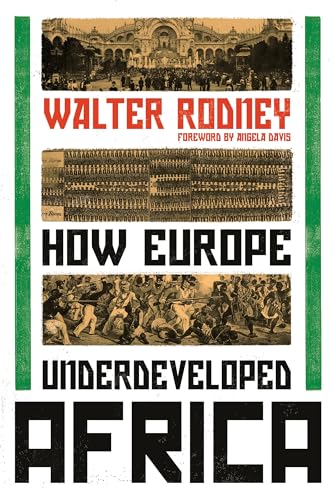
How Europe Underdeveloped Africa by Walter Rodney argues that Africa developed Europe as Europe underdeveloped Africa, describing policies of power and economic exploitation that led to Africa's precarious social, economic and political state at the end of the 20th century.


Book links are Bookshop.org affiliate links. Curiate may earn a commission on purchases, at no extra cost to you — Bookshop.org also gives a share to independent bookshops.
Reading paths, built to arrive somewhere
Curiate turns what you are curious about into a short path — a quick lesson on an article, something to watch, and a book to go deep on. Free to browse.