Atomic Bomb and the Cold War Rivalry
The atomic bomb fundamentally altered international relations, marking the beginning of a tense rivalry between the United States and the Soviet Union. This period, known as the Cold War, was characterized by an arms race, proxy wars, and ideological conflicts. The bomb's creation not only escalated military tensions but also sparked a race for technological supremacy, leading to significant global consequences. The fear of nuclear warfare loomed large, shaping political strategies and alliances for decades.
- ReadCold War · Wikipedia
Defines the Cold War as a geopolitical rivalry between the US and USSR, emphasizing the absence of direct conflict while highlighting proxy wars. It notes the ideological and economic struggles that characterized this era, culminating in the dissolution of the Soviet Union in 1991.
- ReadNuclear arms race · Wikipedia
Describes the nuclear arms race as a competition for supremacy in nuclear warfare between the US and USSR, detailing the scale of their respective nuclear stockpiles. It also mentions that other countries developed nuclear weapons during this time, though not to the same extent.
- WatchNuclear Crisis: The Escalation Of The Cold War | M.A.D World | Timeline · YouTube
Chronicles the Cold War's nuclear crisis, illustrating how military tensions escalated with the establishment of bases and the threat of nuclear strikes. Key events include the Hungarian Revolution and the Bay of Pigs invasion, alongside the technological triumph of Sputnik.
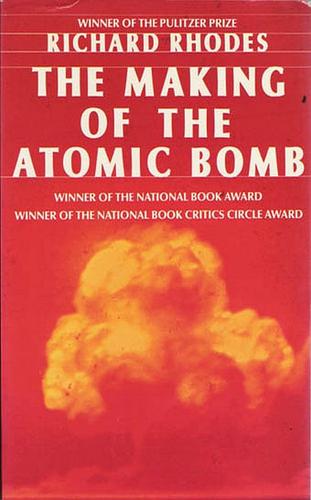
- BookThe Making of the Atomic Bomb · Bookshop.org
Explores the complete story of the atomic bomb's development, detailing the scientific discoveries leading to its creation and the Manhattan Project. It highlights the rapid evolution from theoretical physics to the deployment of nuclear weapons in just twenty-five years.

The selected pieces collectively illustrate the complex interplay between the atomic bomb's development and the ensuing Cold War. Starting with a broad overview of the Cold War, the curation narrows down to the specifics of the nuclear arms race, showcasing the escalating tensions between superpowers. The visual timeline provides a vivid depiction of the crises that defined the era, while Richard Rhodes' detailed account of the bomb's creation offers a comprehensive understanding of its implications. Together, these pieces create a cohesive narrative about how the atomic bomb catalyzed global rivalries.
Book links are Bookshop.org affiliate links. Curiate may earn a commission on purchases, at no extra cost to you — Bookshop.org also gives a share to independent bookshops.
Reading paths, built to arrive somewhere
Curiate turns what you are curious about into a short path — an entry point, something to watch, and the key book on the topic. Free to browse.