The Beat Generation's Rejection of Consumer Culture
The Beat Generation emerged as a literary movement that challenged the prevailing norms of post-war America, particularly the emphasis on materialism. Central to their ethos was a quest for authenticity, spirituality, and a deeper understanding of the human experience, often expressed through their writings and lifestyles. This rejection of consumer culture was not merely theoretical; it manifested in their daily lives and artistic expressions, creating a lasting impact on American society.
- ReadBeat Generation · Wikipedia
Traces the origins and key characteristics of the Beat Generation, highlighting their rejection of economic materialism and exploration of Eastern religions. Central figures such as Allen Ginsberg and Jack Kerouac emerged during the post-World War II era.
- ReadHow the Beat Generation Became "Beatniks" - JSTOR Daily · JSTOR Daily
Argues that the Beat Generation was coopted into a marketable lifestyle, transforming their rebellious culture into a commodity. Historian Stephen Petrus notes that from 1958 to 1960, popular media flooded Americans with images of beatniks rather than the writers themselves.
- WatchAward Winning Documentary On The Beats · YouTube
Presents a documentary that combines archival footage and dramatizations to explore the lives and works of Beat writers. The film emphasizes how the caricature of the beatnik became a pervasive element in pop culture, overshadowing the movement's deeper significance.
- BookThe Dharma Bums · Bookshop.org
Follows Ray Smith's journey as he navigates city life and seeks transcendence through Zen Buddhism, influenced by his friend Japhy. The narrative culminates in a solitary experience on Desolation Peak, foreshadowing the consciousness-expanding works of later counterculture figures.
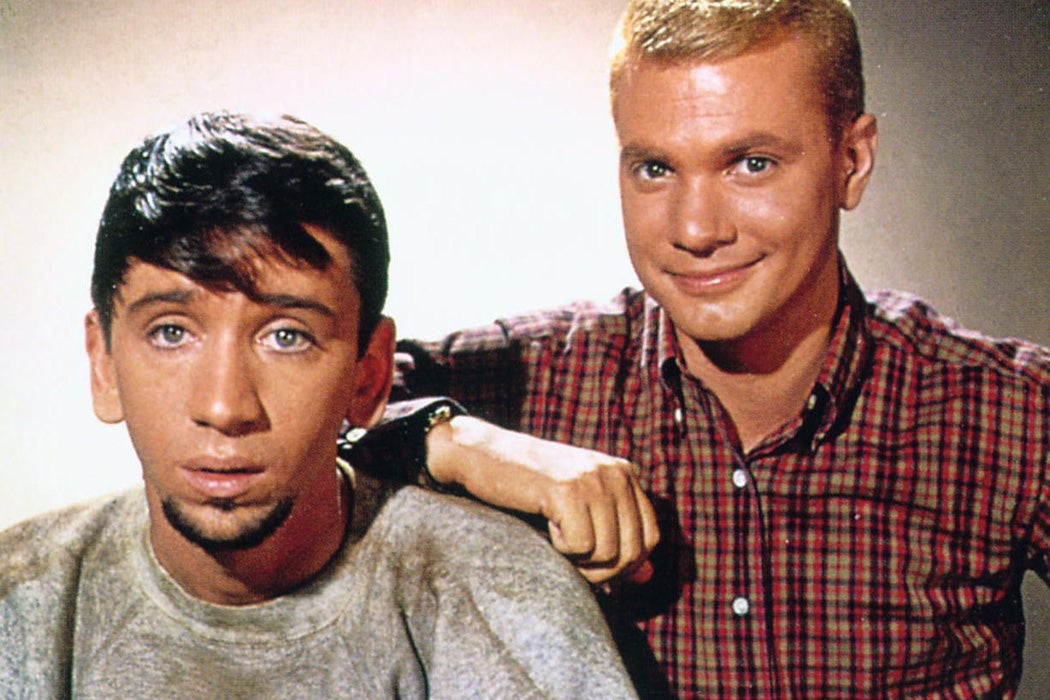


Each piece in this curation builds upon the theme of authenticity and the Beat Generation's critique of materialism. Starting with a foundational overview of the movement, the subsequent entries delve into the commodification of Beat culture, the visual representation of its key figures, and ultimately lead to Jack Kerouac's 'The Dharma Bums,' which encapsulates these ideas through its narrative. Together, they illustrate the journey from rebellion to the complexities of cultural appropriation while maintaining a focus on the search for genuine existence.
Book links are Bookshop.org affiliate links. Curiate may earn a commission on purchases, at no extra cost to you — Bookshop.org also gives a share to independent bookshops.
Reading paths, built to arrive somewhere
Curiate turns what you are curious about into a short path — an entry point, something to watch, and a book worth finishing. Free to browse.